
Calls answered 24/7(972) 284-7498
Garland TX Fire Restoration (972) 284-7498

Garland, Texas

Fire and Water Damage Restoration in Garland, TX

Call (972) 284-7498

Our local fire restoration professionals clean soot, treat smoky fabrics and dry materials soaked by firefighting water in Garland homes. Call about the walls, floors or belongings the fire touched, and your technician will explain the next steps.

  • Calls answered 24/7
  • Fire and water
  • Serving Garland and nearby
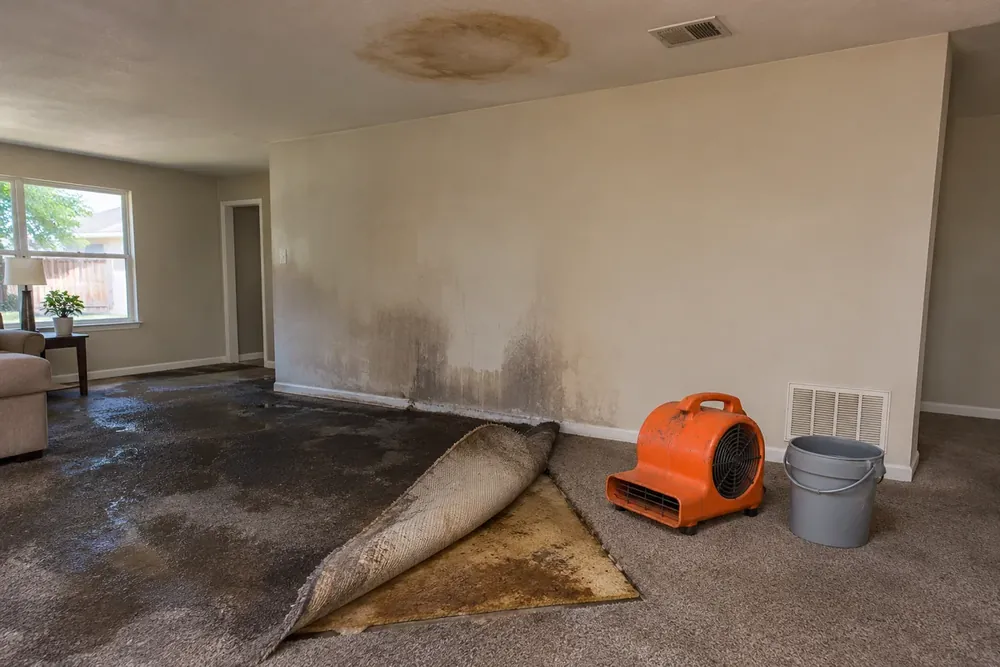
  • Soaked carpet folded back beside an orange air mover and a bucket, with a stained ceiling above

How Fire and Water Change Surfaces and Finishes

Cleaning, drying and replacement depend on where smoke and water reached. Each card starts with the usual outcome for that material; the call covers the work involved and its price.

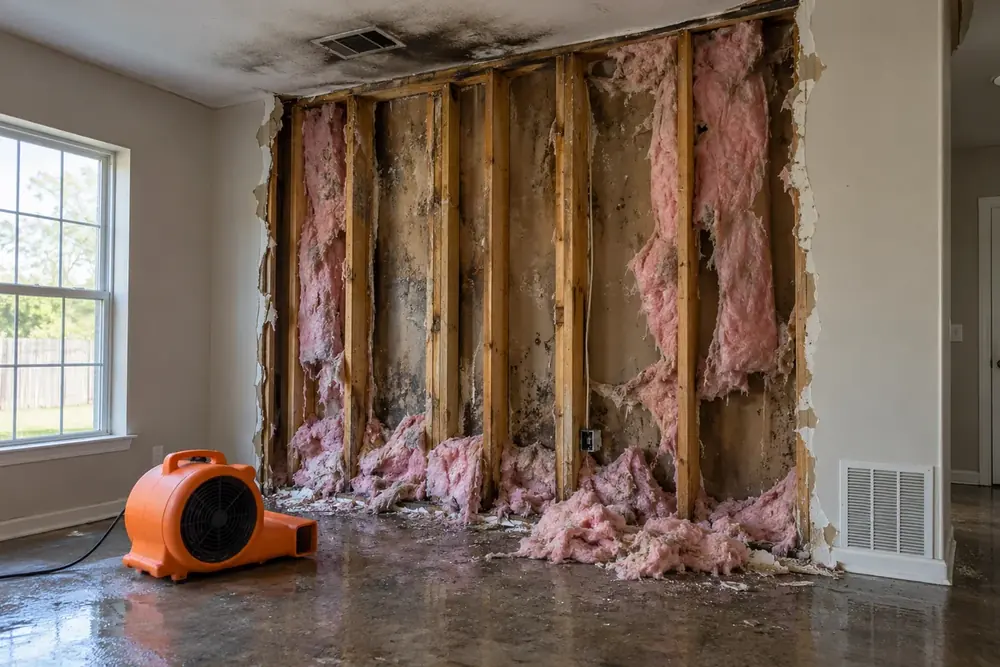
Wall opened to studs with fallen pink insulation on a wet floor beside an air mover
  • Walls and ceilings

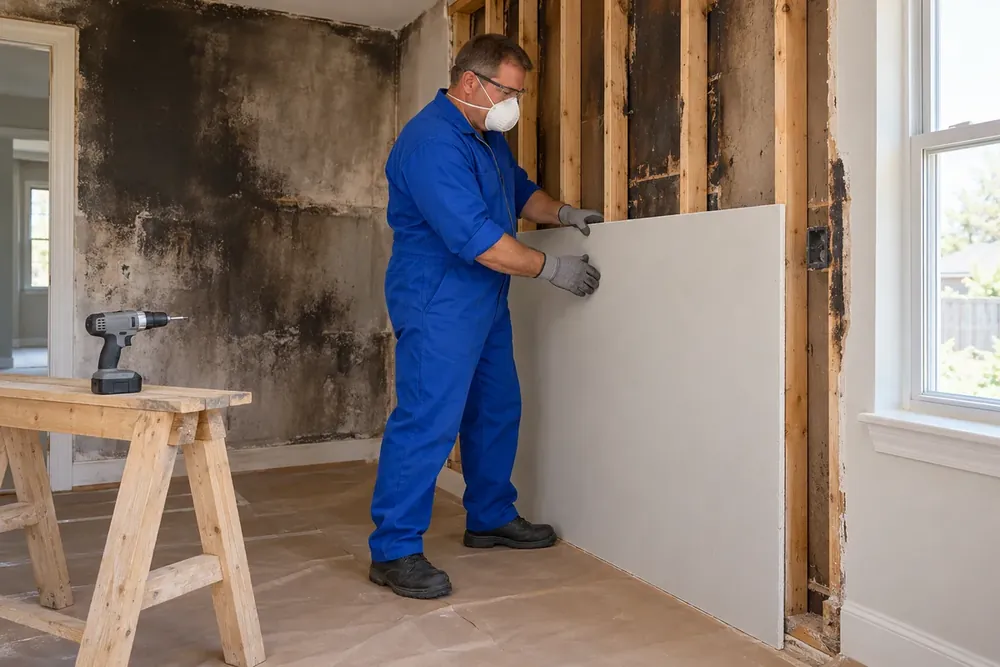
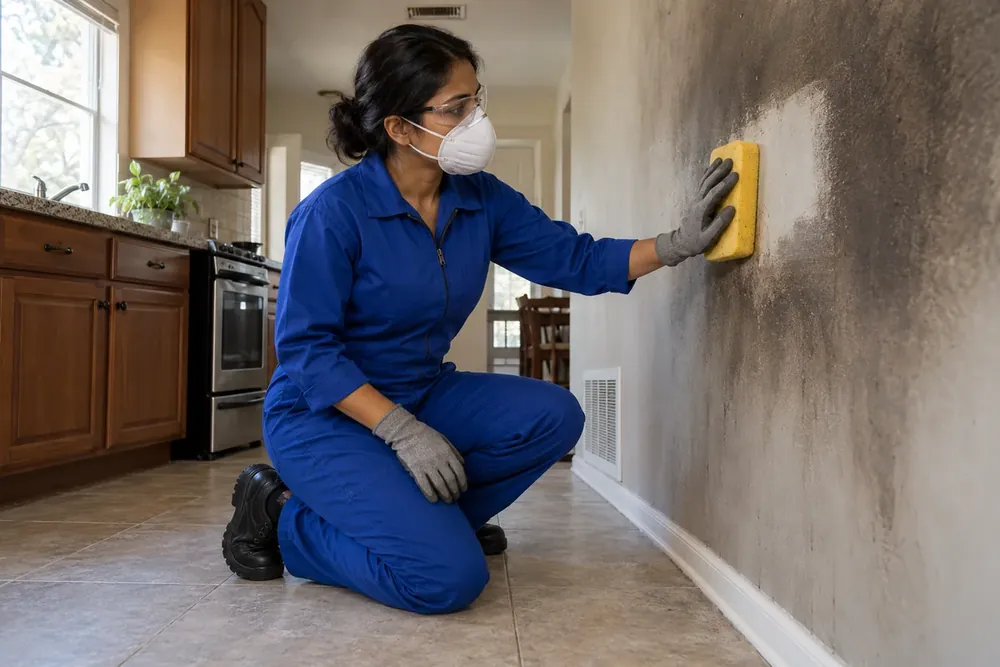
    Sound wall and ceiling surfaces are usually cleaned and dried in place. Your technician checks painted drywall and plaster for surface soot, moisture behind the finish and heat damage. Smoke that penetrated a sound surface may need sealing after cleaning and drying, before repainting. Wet insulation, softened drywall and material burned through are removed and replaced rather than covered with a new finish.

  • Floors and carpet

    Floors with surface residue are usually cleaned where they sit, with drying planned for the layers underneath. Carpet and pad need separate checks because the visible fibers may dry while the pad stays wet. Scorched carpet, persistent odor below it or damaged subflooring can mean lifting and replacement. Wood, laminate, vinyl and tile each respond differently to heat and trapped moisture; retained flooring is protected during overhead work.

  • Soft goods and clothing

    Clothing and household fabrics are usually sorted for laundering, dry cleaning or specialist treatment away from the room. Wet bedding, curtains, upholstery and rugs need attention to both the fabric and the filling or backing. Smoke residue can remain inside those layers after a surface wash. Fiber type, heat damage and the time spent wet determine which pieces can be cleaned and which need replacement.

  • Electronics and contents

    Recoverable belongings are usually separated for cleaning in place or packed for treatment elsewhere. Dishes and hard decor differ from porous books, photographs and upholstered contents because water and smoke reach them differently. Heat distortion or soaked layers may make replacement the practical choice. Televisions, computers and small appliances need specialist assessment before use; an exterior that looks clean does not establish that the electronics are safe.

Wet Floors and Stained Ceilings Need Separate Checks

What you seeWhat it usually points toWhat to do
Standing water or soaked carpetWater may remain in the pad and below the flooring.Describe the affected room by phone; stay outside wet areas.
Wet drywall or sagging ceiling finishesMoisture may extend into insulation behind the visible surface.Mention the ceiling condition without going beneath it.
Water dripping near a light fixtureWater and electrical parts may share the affected area.Keep away and report the location during the call.
Swollen baseboards and cabinet basesAbsorbent edges may have taken up firefighting water.Share any damage already observed; leave the materials undisturbed.

The table helps describe the damage, but no inspection or sorting is needed to call now.

From the First Call to Clean, Dry Rooms

  1. Describe the damage. Call about the rooms affected by smoke, soot and water; share what you already know without inspecting further.
  2. Discuss the job. Your restoration contact takes the details and explains how cleaning and drying fit together for the materials involved.
  3. Assess each layer. Your technician examines the rooms only after the fire department allows entry, then explains the proposed scope and price before work begins.
  4. Complete the work. Cleaning, moisture checks and necessary replacement follow the agreed scope, ending with a walk-through of the finished areas.

What Affects Fire and Water Restoration Costs in Garland

What changesWhy it moves the scope
Water volume and spreadWater across several rooms requires more drying than a contained wet patch.
Moisture behind finishesSoaked insulation and softened drywall add removal and replacement work.
Carpet and pad conditionSeparate layers may need lifting, drying or replacement rather than surface cleaning.
Drying needs and contentsEquipment duration and belongings moved out of affected rooms change the work involved.

One of our local fire restoration partners explains your material choices and the price before work starts, including the factors that change restoration costs.

Keep Clear of Water and Damaged Rooms

The fire department decides when a fire-damaged home is safe to re-enter; keep children and pets away from wet rooms and all marked areas. Stay out of any building with water around it. Stay out of standing water, and do not use a household vacuum to collect it.

Leave utility decisions to the fire department and utility personnel; do not operate switches or reconnect anything yourself. Avoid wiping soot or handling affected electrical appliances. Moving belongings is unnecessary before calling; any later movement should be limited to light, dry items after entry is allowed and your technician advises it.

Fire and Water Cleanup Around Garland

Homeowners in Garland and nearby cities can call about wet building materials, smoke residue and belongings affected by the same fire.

Fire and Water Damage Restoration FAQs

What does a fire and water damage restoration company handle together?

The work addresses smoke residue, soot and firefighting water as parts of one job. Walls may need cleaning while carpet needs lifting and the space behind drywall needs drying. Your technician separates materials that can stay from those needing removal, so a clean surface does not conceal wet layers.

Do water and fire restoration companies always replace wet carpet?

Wet carpet does not always need replacement; the condition of the fibers, backing, pad and floor underneath decides. Heat damage, persistent smoke odor or layers that cannot be adequately cleaned and dried can change the outcome. Your technician explains whether retaining the carpet is practical for the affected room.

How do fire and water restoration companies find moisture behind walls?

Your technician assesses moisture in the affected materials and checks the layers behind finishes where needed. A wall can appear dry on the painted face while insulation remains wet. Access, material thickness and the path the water took influence how much opening and drying the job requires.

Can I call for fire and water damage restoration near my Garland home?

Yes, call about combined smoke and water damage at your Garland home and describe the affected rooms. You do not need to identify every wet layer or decide which belongings are recoverable. The conversation starts with what you know, and your technician assesses the materials as the job proceeds.

Why can smoke odor remain after the water has dried?

Drying removes moisture, but smoke residue can remain in fabric, wall finishes and other porous layers. A room may therefore need separate cleaning or odor treatment after its moisture condition improves. The amount of heat, the material's absorbency and how long residue remained help determine whether cleaning or replacement fits.

Call now about smoke on the walls, water beneath the flooring or belongings touched by both in your Garland home.

Call (972) 284-7498
Call (972) 284-7498