Calls answered 24/7(972) 284-7498
Garland TX Fire Restoration (972) 284-7498

University Park, Texas

Fire Damage Restoration in University Park, TX

Call (972) 284-7498

Our local fire restoration professionals assess smoke-stained plaster, soot on woodwork and wet floor coverings in University Park. Call to talk through the damage, and a local professional will organize the cleaning, contents treatment and repair decisions.

  • Calls answered 24/7
  • Fire Damage Restoration
  • Serving University Park and nearby
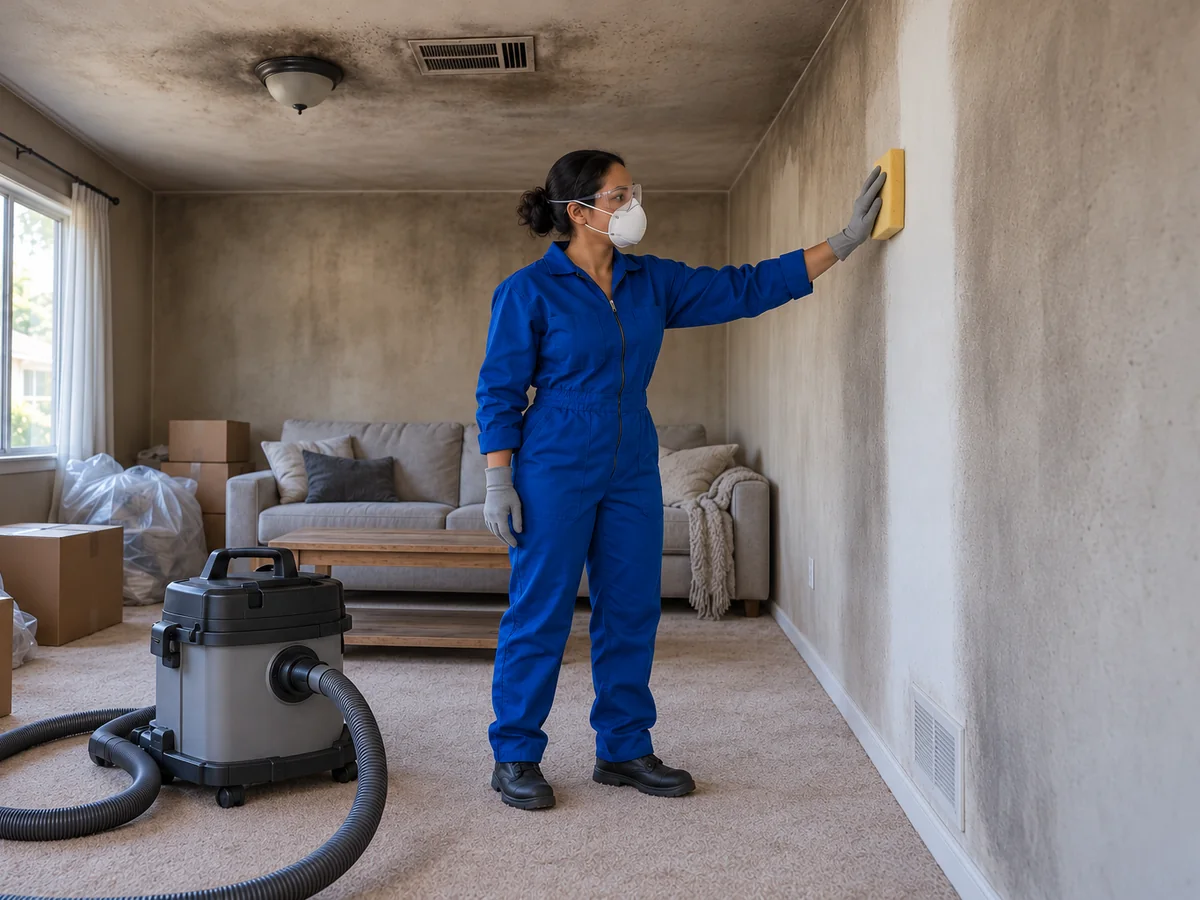
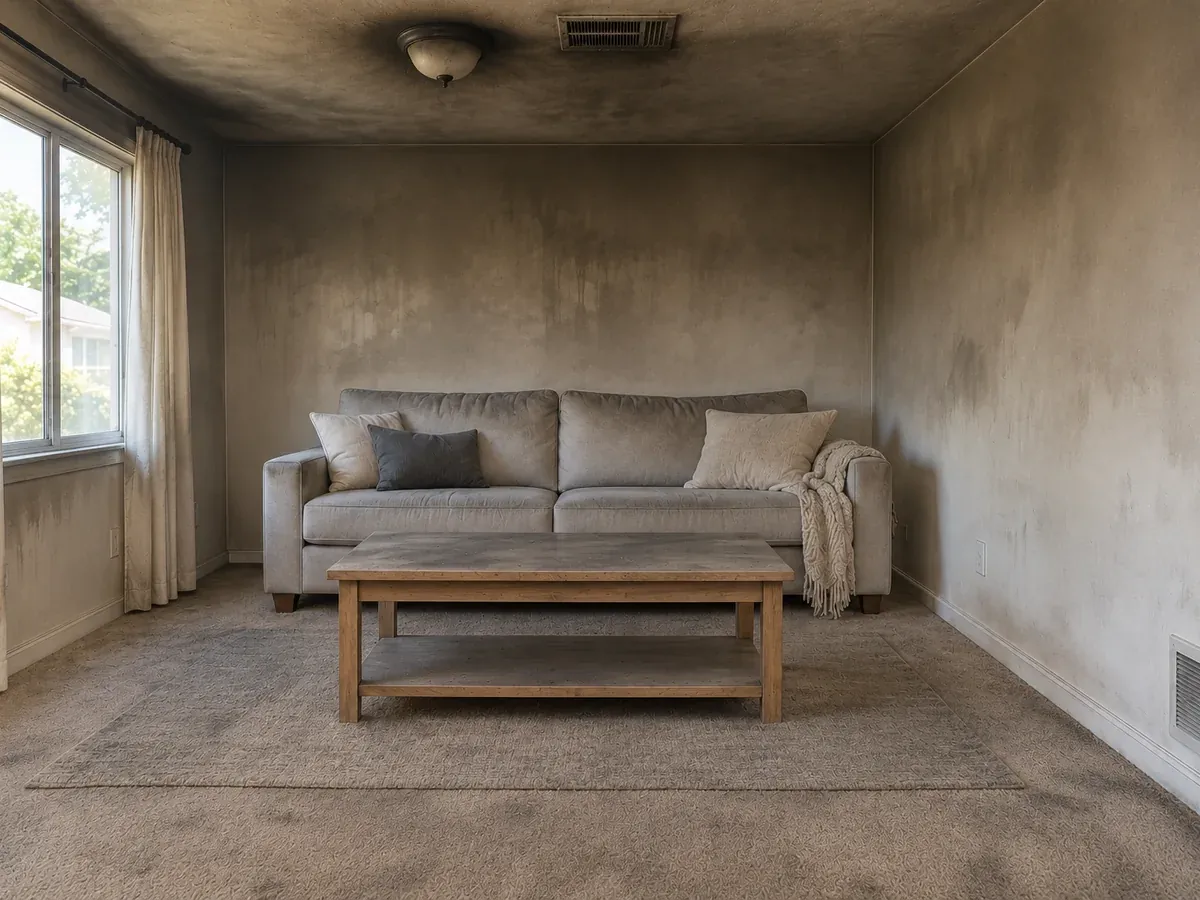
  • Soot-darkened living room with a gray sofa, wood coffee table, smoke-stained walls and a ceiling vent
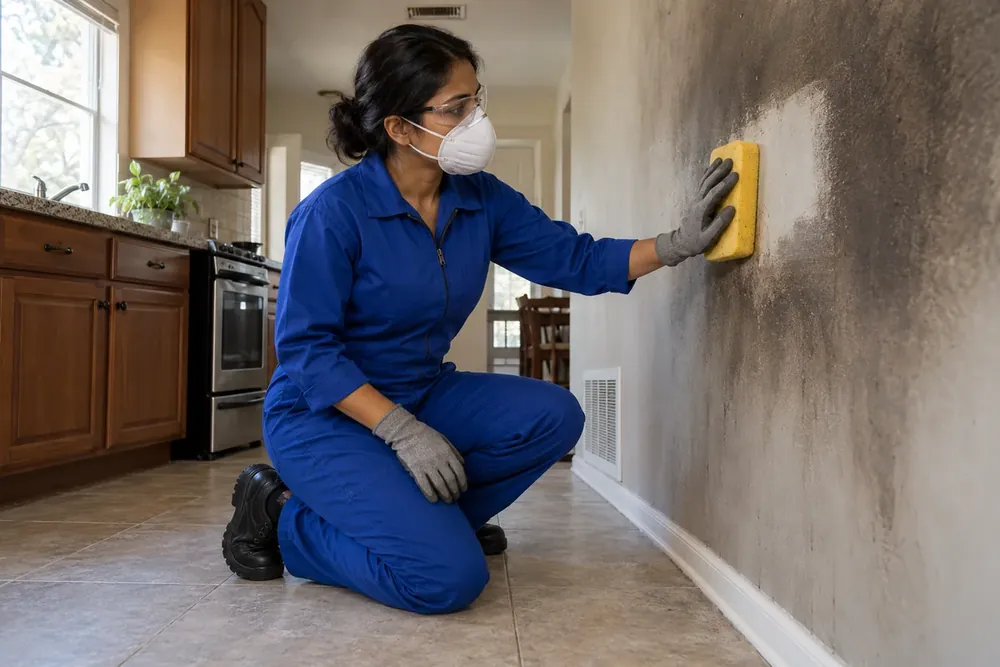
  • Technician in blue coveralls wipes a soot-darkened living-room wall with a yellow sponge beside a vacuum and boxes
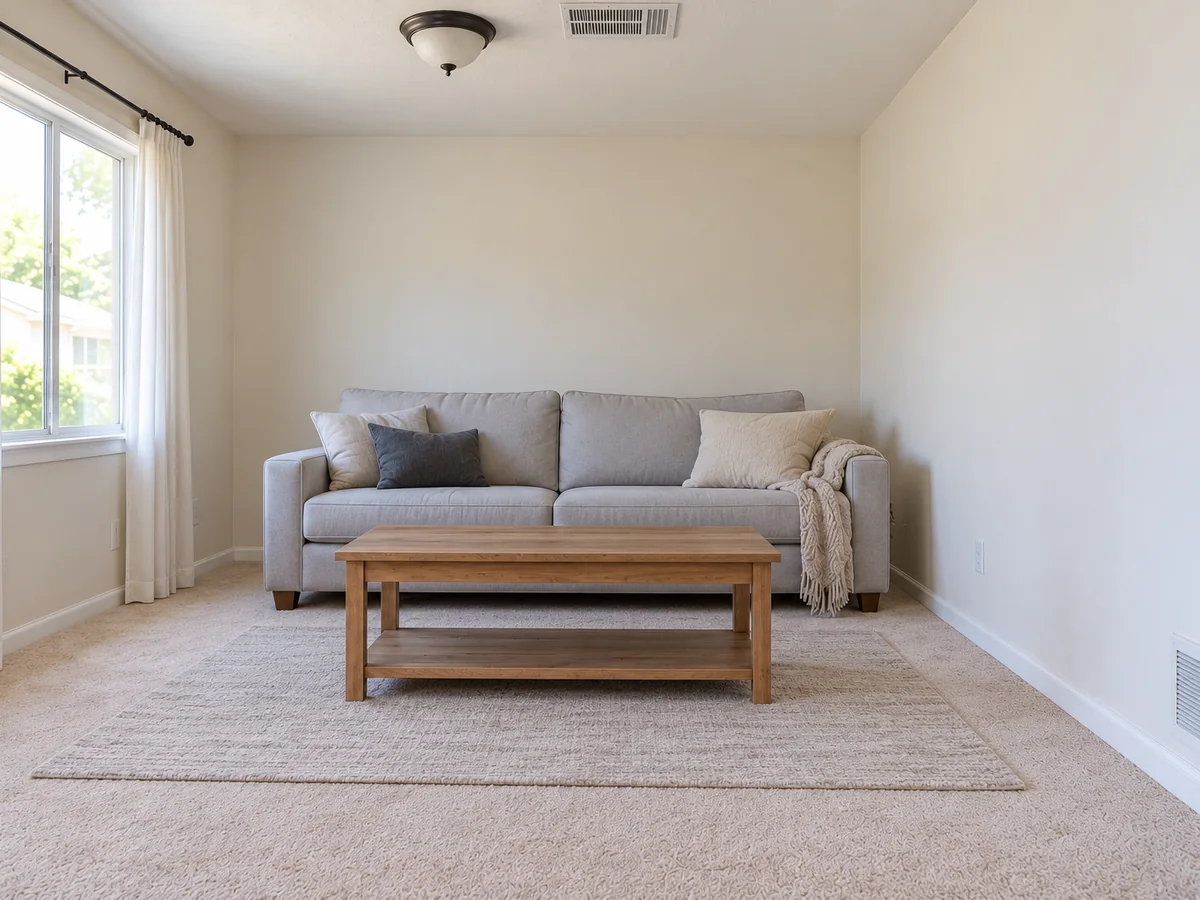
  • Bright living room with pale walls, clean ceiling vent, grey sofa and beige carpet.

Fire Restoration Work in University Park

For a University Park home, smoke damage restoration treats sound finishes while identifying materials that cannot withstand cleaning. Plaster, wood, rugs and belongings each receive a decision based on heat, residue and water exposure.

What Smoke Touches in University Park Rooms

What was touchedWhat it usually leavesWhat usually has to happen
Plaster, painted ceilings and woodworkAdhered smoke film and discolored finishesClean and test stable surfaces; seal persistent stains after treatment
Floors, rugs and carpetSoot in fibers and moisture below coveringsTreat salvageable rugs elsewhere; assess floor layers for drying or replacement
Upholstery and clothingOdor held in folds, cushions and seamsClean recoverable textiles; replace melted or burned fibers

Cooking, heating appliances and electrical faults can start fires that affect several kinds of finish. Nationally, cooking leads home fires and home-fire injuries by far. Kitchen smoke leaves greasy film on University Park woodwork. The cleanup plan follows where residue settled, including HVAC components and electronic contents needing specialist attention.

In University Park, soot removal depends on the stability of the finish beneath the deposit. Fire and water damage restoration for University Park properties also checks moisture hidden under flooring.

Stay outside fire-damaged homes until local fire authorities allow return; discard heat-, smoke- or soot-exposed food. Leave soot undisturbed: dry wiping, ordinary vacuuming and barehanded handling can spread deposits. Keep children, pets and people with breathing difficulty away. Food and drinks exposed to heat or smoke should not be consumed. Call to discuss the damage already observed.

University Park Cleanup Starts With a Call

  1. Talk through damage. Call for fire damage cleanup at your University Park property. Share the affected materials and any access limits you have been given.
  2. Examine the finishes. Your technician tests cleanable surfaces and checks for heat damage, loose material and water beneath coverings.
  3. Agree on work. The assessment separates contents treatment from building cleaning and replacement. Ask how each decision relates to the condition of that material.
  4. Complete each stage. House fire cleanup in University Park moves through residue removal, drying and repairs as needed. Final checks address treated surfaces, remaining odor and the condition of returned belongings.

University Park Decisions About Access and Rebuilding

Distinguish smoke-marked finishes from damaged fixtures

University Park's Building Permits page says construction permits are unnecessary for wallpapering, painting and similar finish work, plumbing, mechanical and electrical fixture repair or replacement such as changing faucets or replacing switches normally needs no permit, but replacing a water heater or adding a permanently wired light fixture does, and lists 214-987-5411 to determine whether a project needs a permit. A call about fire damage repair in University Park can describe stained finishes separately from damaged fixtures. Your technician assesses the underlying material so the proposed work distinguishes surface treatment from replacement.

Describe the space available for repair work and cleanout

University Park's Job Site Rules page lists construction hours of 7 am to 6 pm Monday through Saturday except with special permission from the Community Development Director, requires job-site fencing entirely on site rather than on walks, alley pavement or adjacent property, leaves dumpster emptying frequency to the franchisee, and identifies blocked streets, lanes, alleys and driveways as job-site problems. During the restoration call, describe any known limits on space for removing damaged materials. Discuss where belongings remain and which routes are already obstructed so cleanout planning accounts for the building's available access.

Describe wet floors and elapsed days

Tell the person on the call which floors received firefighting water and whether those rooms have carpet or hardwood. Say whether the water has remained for days, using what you already know rather than lifting a covering to investigate. Wet carpet backing and water beneath hardwood need separate attention when the floor layers are assessed.

University Park Addresses and Nearby Places

Give the complete street address for the University Park building and identify the nearest major cross street during the call. Include any unit designation that belongs to the address so similar entrances do not cause confusion about the affected building. For buildings in the nearby towns below, the service follows the same process.

Also serving near University Park:

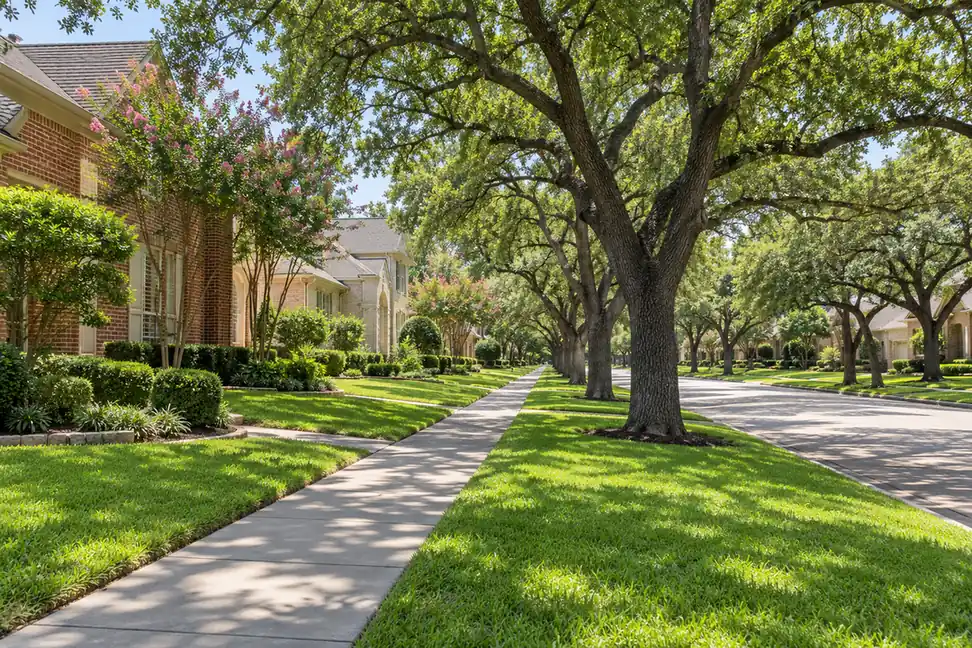
Illustration of a typical street in University Park, TX with brick homes under an avenue of live oaks

University Park Fire Damage Restoration FAQs

How does soot cleanup account for the condition of University Park woodwork and plaster underneath?

Cleanup assesses both the smoke deposit and the condition of the plaster or wood beneath it. Stable paint may tolerate treatment, while loose plaster or scorched joints can require repair. A small cleaning test helps your technician judge whether residue can be removed without harming the remaining finish before treating a larger area.

How does smoke odor removal in University Park address rugs and cushions beneath their covers?

Work begins with the fibers, padding and other surfaces retaining smoke residue. A rug may be treated away from the building, while upholstered filling needs assessment beneath its cover. Your technician considers fabric stability and heat exposure when choosing treatment. Burned or distorted material may need replacement even if its outer surface has been cleaned.

Why assess a University Park rug or chair for recovery before arranging its removal?

A rug or chair may hold removable smoke residue without damage to its backing, filling or frame, making recovery worth assessing. Your technician weighs fiber stability, moisture and odor penetration against what treatment can reach within those layers. Severe heat damage or deposits embedded beyond a treatable depth can make replacement the appropriate choice.

Whose clearance governs going back into a University Park house after fire damage?

Local fire authorities give the clearance for a safe return. The Red Cross's recovery page advises staying out of fire-damaged homes until local fire authorities say re-entry is safe and discarding food affected by heat, smoke or soot. Describe access instructions you already received when discussing restoration; the call needs no fresh observations from indoors.

How do fire damage restoration companies in University Park weigh residue depth and affected rooms when pricing work?

An estimate for University Park reflects both how deeply residue entered materials and how many rooms contain affected surfaces. Widespread light deposits mean a larger cleaning area; deeper smoke penetration may add treatment beneath finishes or replacement. Before that work begins, one of our local fire restoration partners talks through the proposed tasks so you understand the scope and price.

Call now for your University Park property and talk through smoke on walls, soot in fabrics and water beneath floors.

Call (972) 284-7498
Call (972) 284-7498