| What was touched | What it usually leaves | What usually has to happen |
|---|
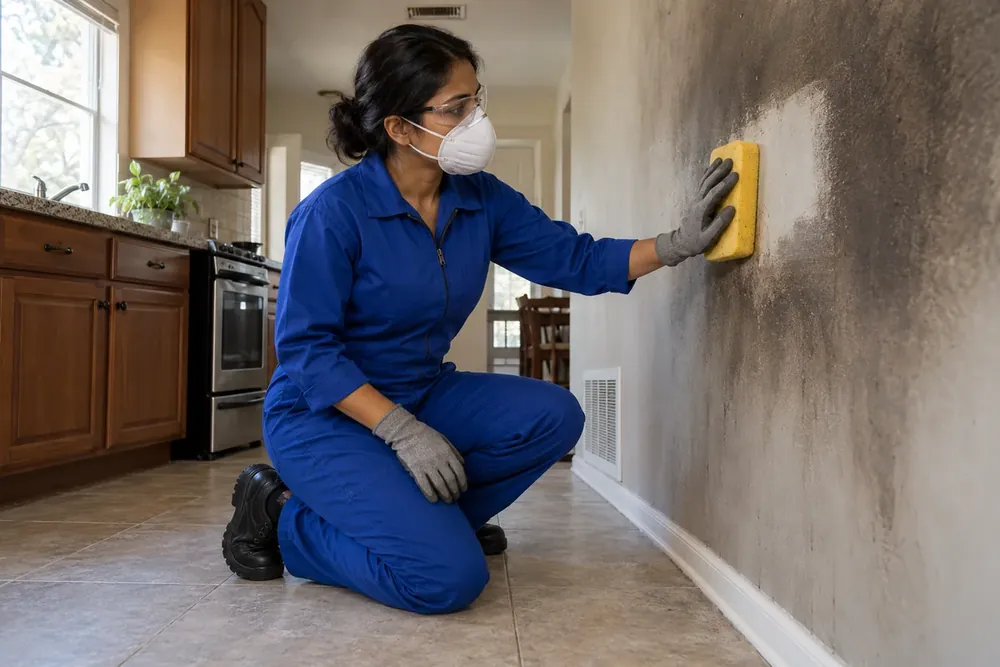
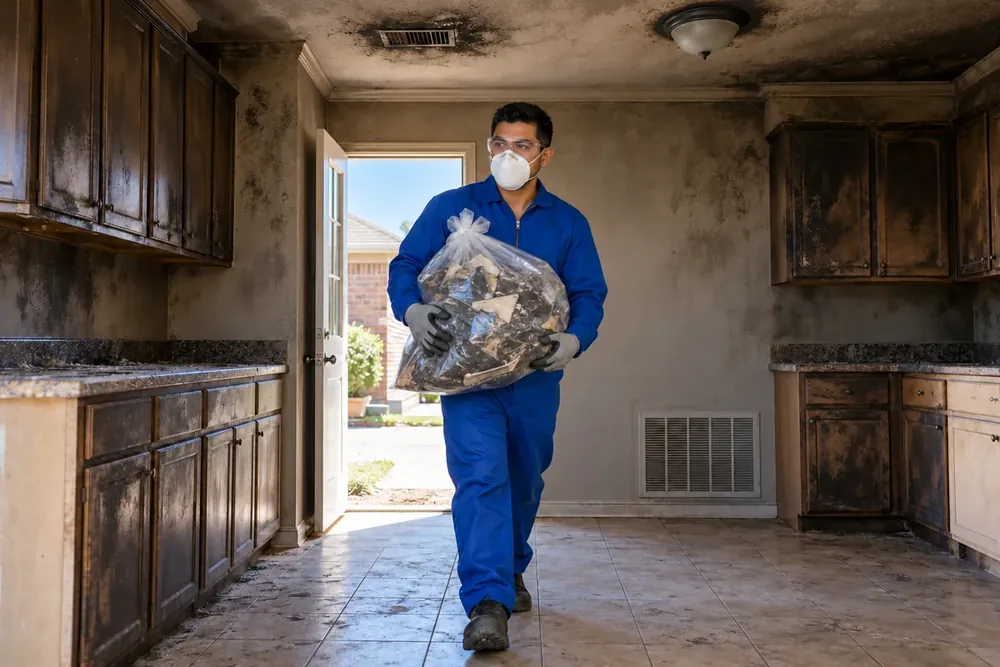
| Cabinet doors and kitchen walls | Oily smoke film or scorched edges | Test and clean intact faces; replace burned material |
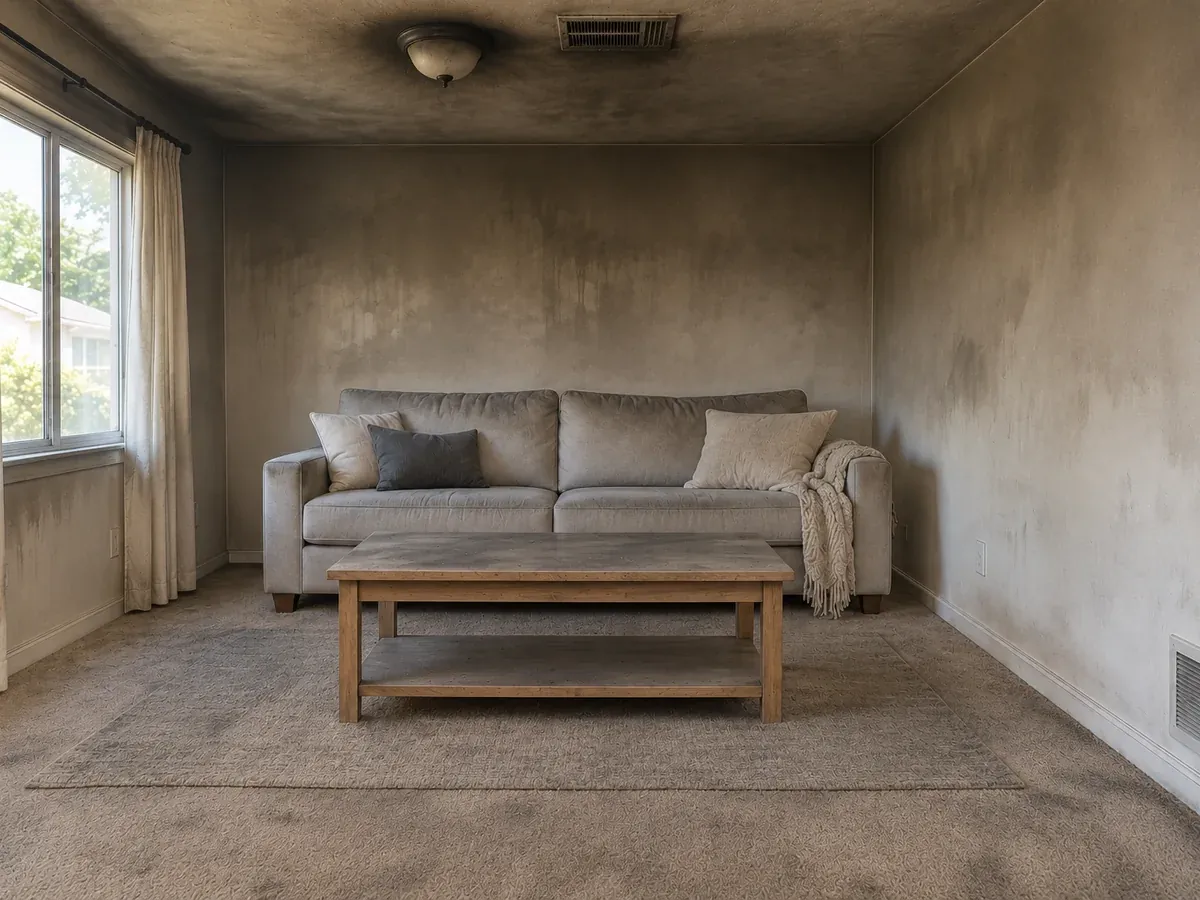
| Rugs and floor coverings | Embedded soot above damp backing | Assess for separate cleaning; remove backing that cannot be retained |
| Upholstery and duct interiors | Smoke deposits in absorbent or concealed layers | Treat suitable fabrics; assess affected duct materials for cleaning or replacement |
Kitchen flare-ups can require different cabinet and rug treatments. USFA: cooking leads home fires and home fire injuries by far. Princeton fabrics retain kitchen soot. The finish beneath the deposit determines whether cleaning can preserve the surface.
For soot removal in Princeton, residue character matters as much as color. Heat can alter a finish beneath a thin deposit, while water can carry particles into floor seams. Smoke damage restoration in Princeton includes concealed layers and contents.
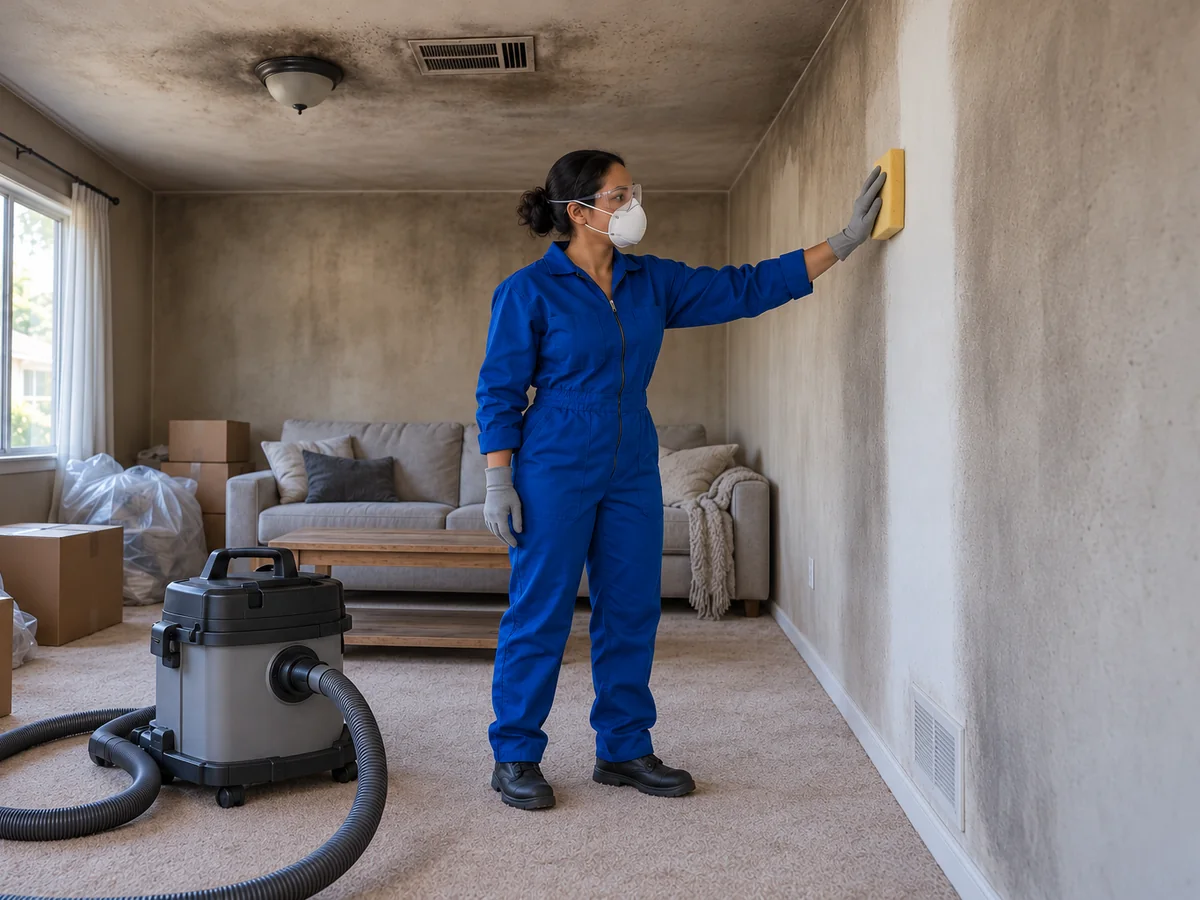
Red Cross: remain outside fire-damaged homes until local fire authorities allow safe return; discard heat-, smoke- or soot-exposed food. Keep residue undisturbed rather than wiping it or using a household vacuum. Avoid bare-handed contact and keep children, pets, and people with breathing trouble away. Food or drinks that sat near smoke or heat should be discarded. Call with the observations you already have.