Remodeling and trade work carry permit requirements
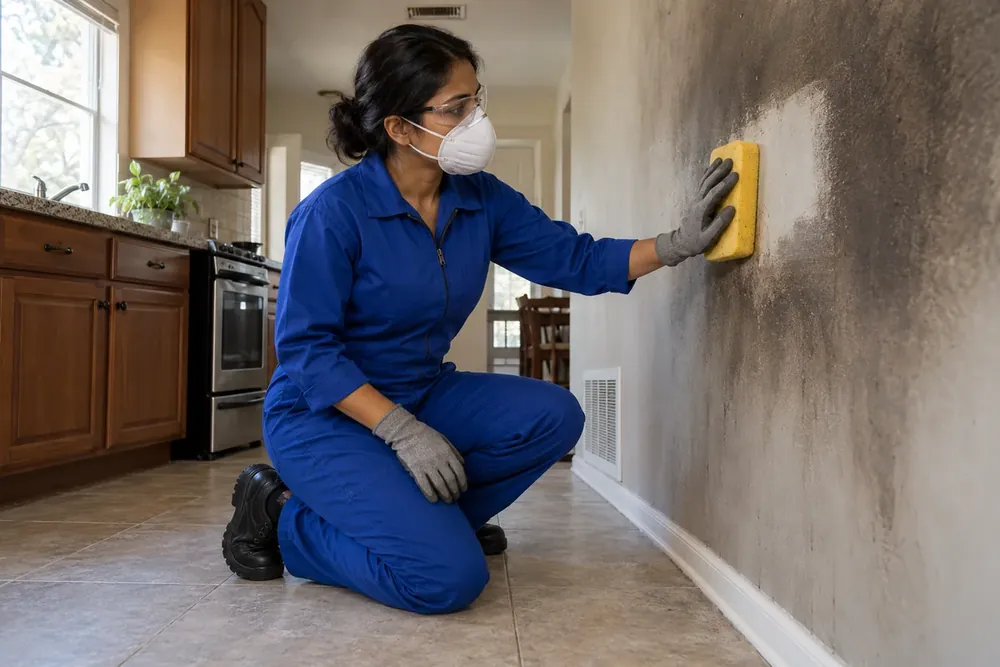
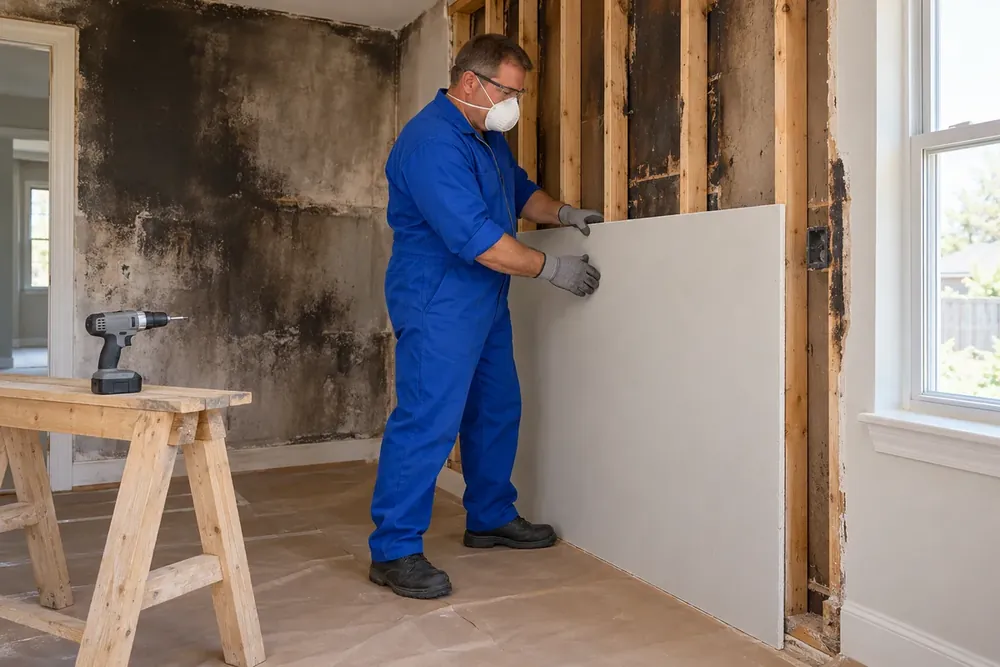
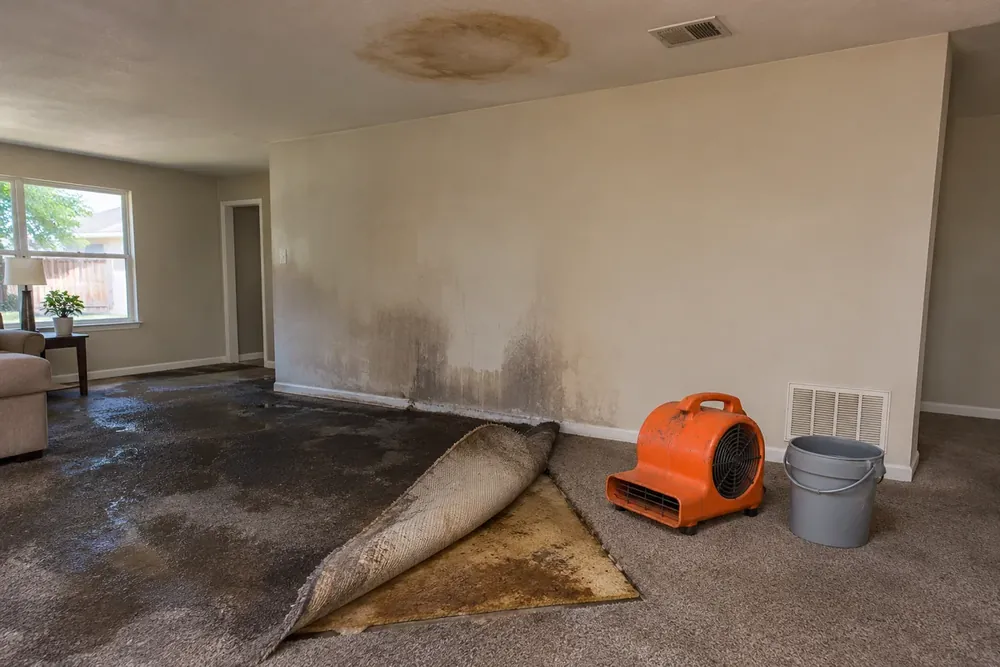
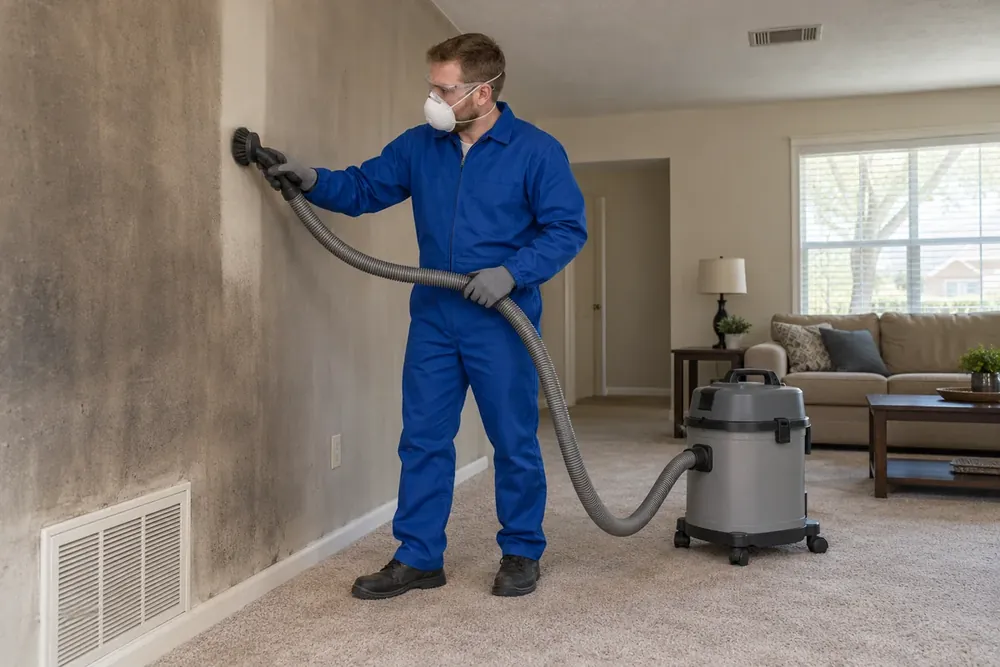
Terrell's Building Permits and Inspections page says someone considering home remodeling should apply for a building permit first, personally or through their contractor; plumbing, mechanical and electrical work also require permits, and all contractors must register with the city before applying. Call about the fire-damaged materials you already know about, whether that means scorched woodwork or soaked wallboard. Your technician can explain which sections need cleaning and which need repair as the work is defined.
Bulk collection excludes contractor project debris
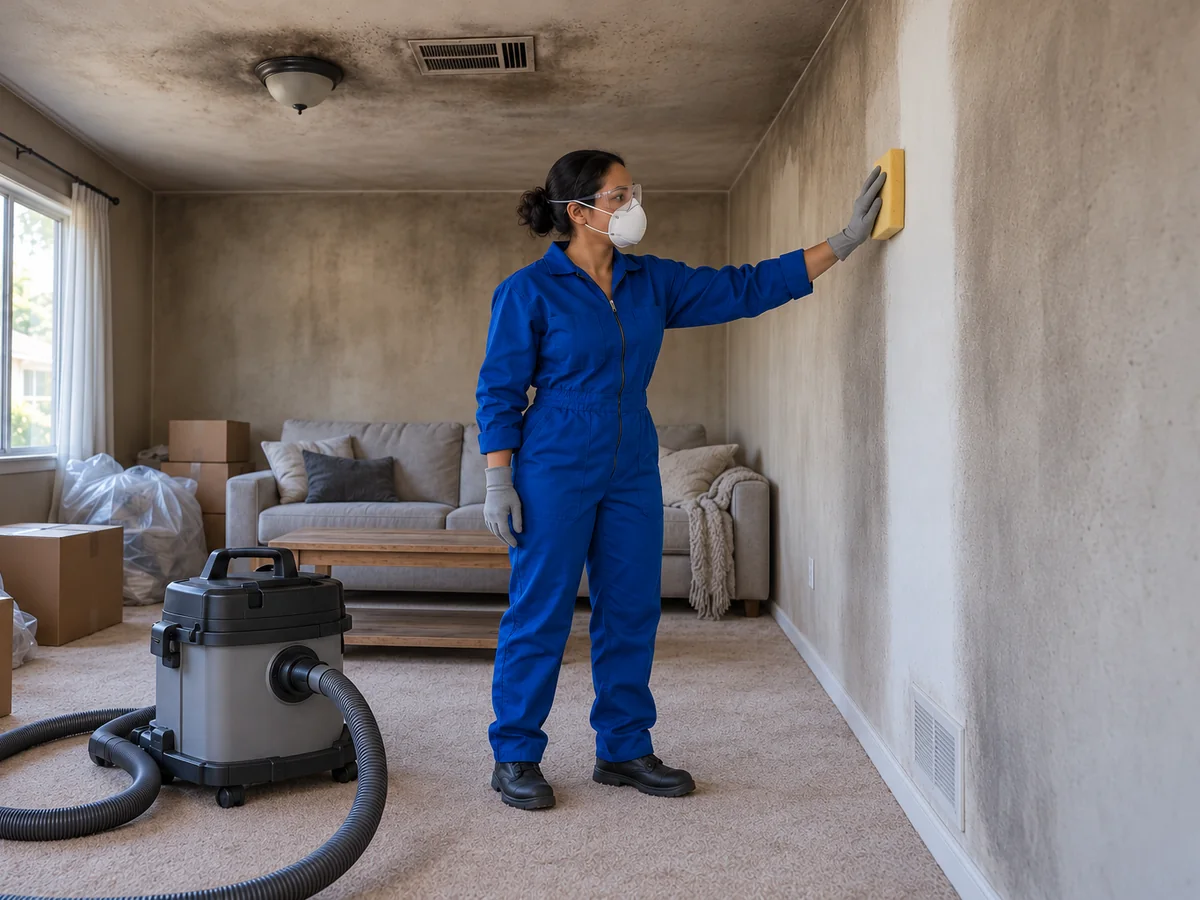
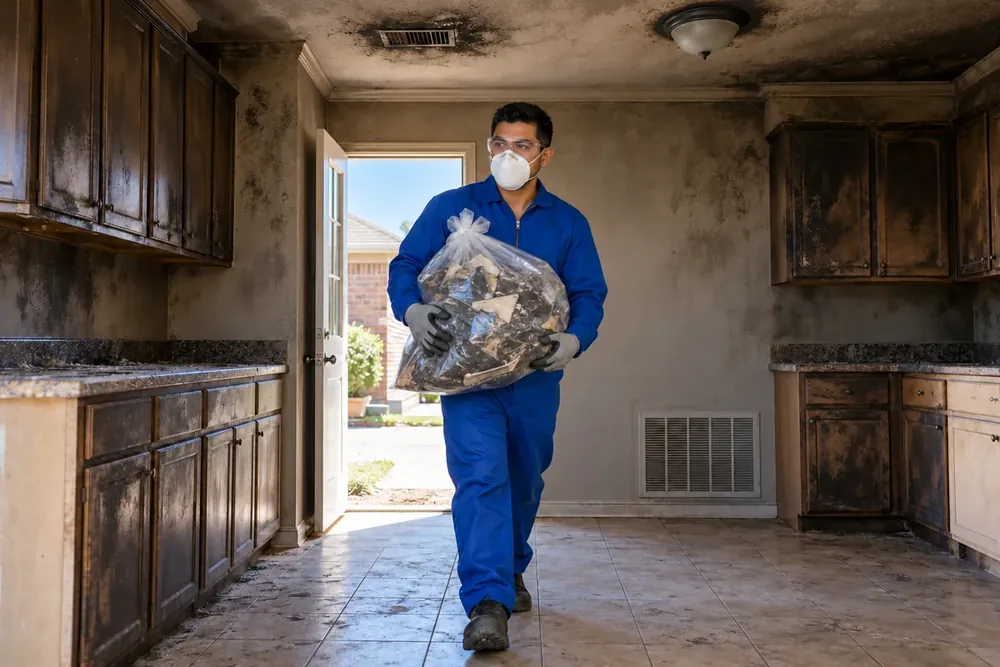
Terrell's Bulk Items page says pickup is on the second scheduled collection day, Thursday or Friday; pickup is limited and may not exceed 50 pounds, with items stacked neatly no earlier than the prior Saturday; residences without active utility services are not serviced, and the page's 'Items Not collected' list includes roofing materials, sheetrock or drywall, and construction, demolition or remodeling debris from projects done by a contractor. Discuss damaged household contents separately from materials removed during building repairs. The cleanout plan should distinguish furniture being assessed for recovery from debris generated by replacement work.
Ceiling soot is something to describe without wiping
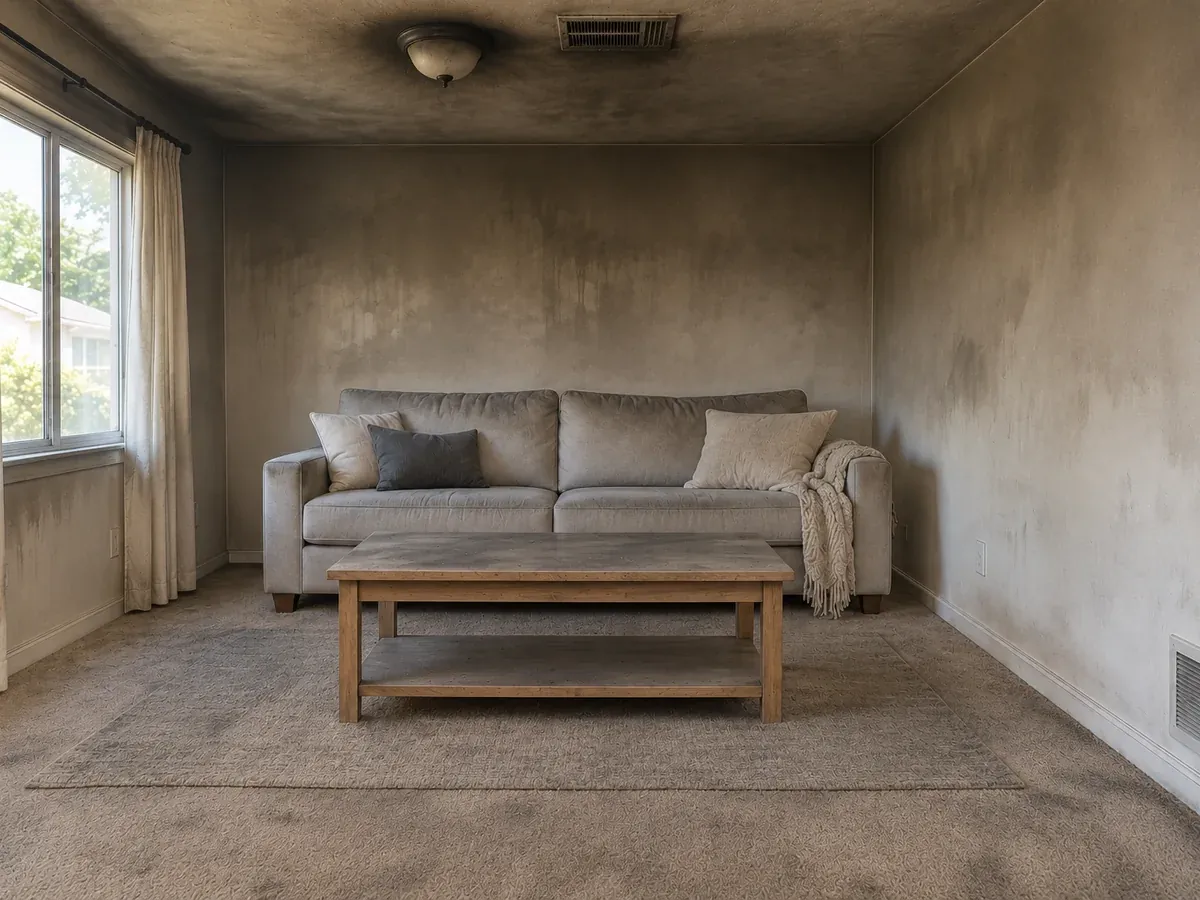
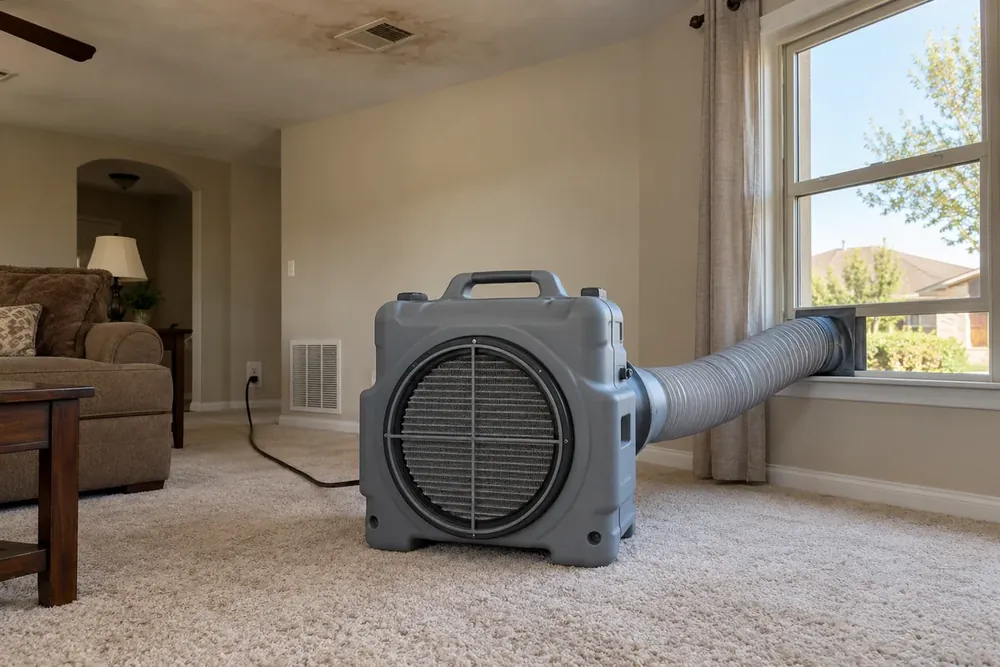
Tell the person on the call about soot you already noticed on ceilings, light fixtures and vents, leaving those deposits untouched. Describe whether the marks looked scattered, streaked or concentrated around a fixture or vent. There is no need to wipe a patch to explain what you saw.