
Calls answered 24/7(972) 284-7498
Garland TX Fire Restoration (972) 284-7498

Garland, Texas

Fire Damage Cleanup in Garland, TX

Call (972) 284-7498

Our local fire restoration professionals clean soot from walls, sort smoke-affected fabrics and remove burned debris in Garland. Call about what the fire left behind, including water from firefighting, and a local professional will take it from there.

  • Calls answered 24/7
  • Fire cleanup
  • Serving Garland and nearby
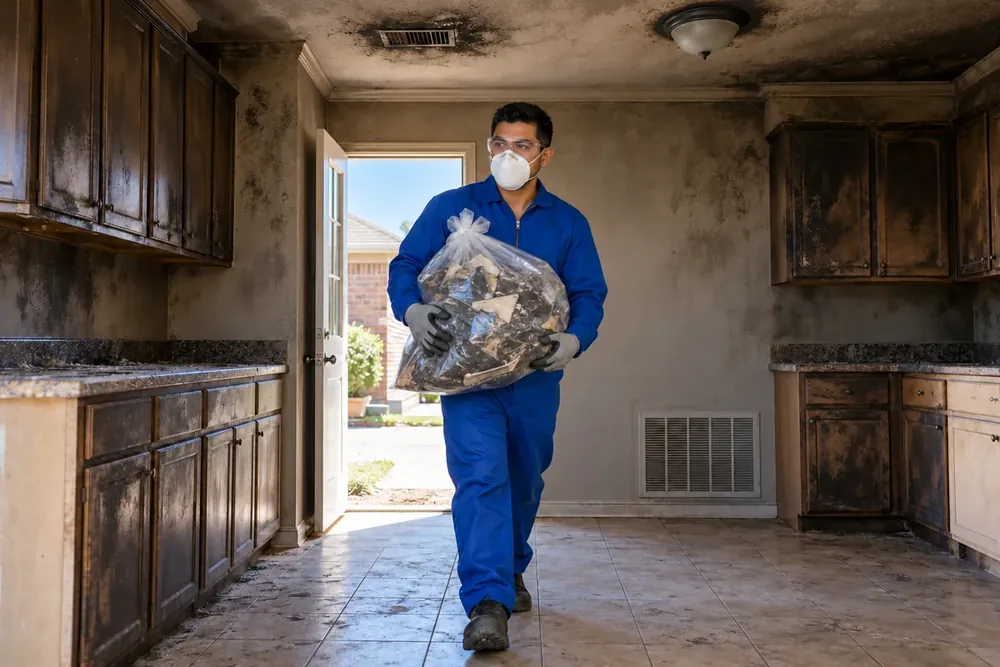
  • Technician in blue coveralls carries a clear debris bag through a soot-dark kitchen, open door behind him

How Cleanup Treats Surfaces the Fire Touched

Cleanup separates surface residue from material that needs treatment, removal or replacement. Each card starts with the usual outcome, then explains what changes the decision; the call starts the discussion of scope and price.

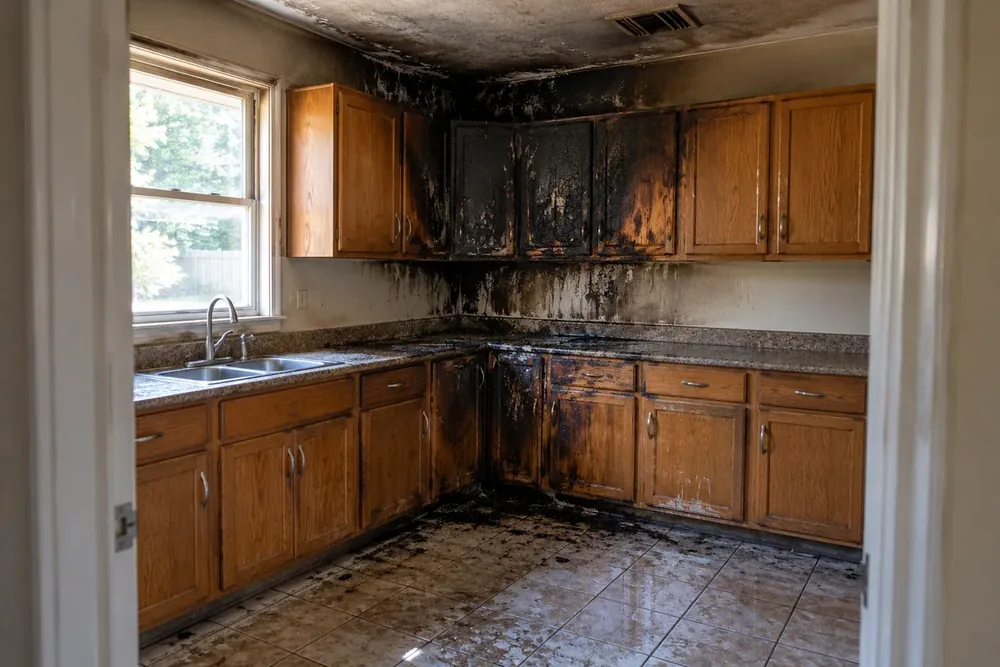
Scorched kitchen cabinets beneath a blackened ceiling edge, with residue on wet floor tiles
  • Walls and ceilings

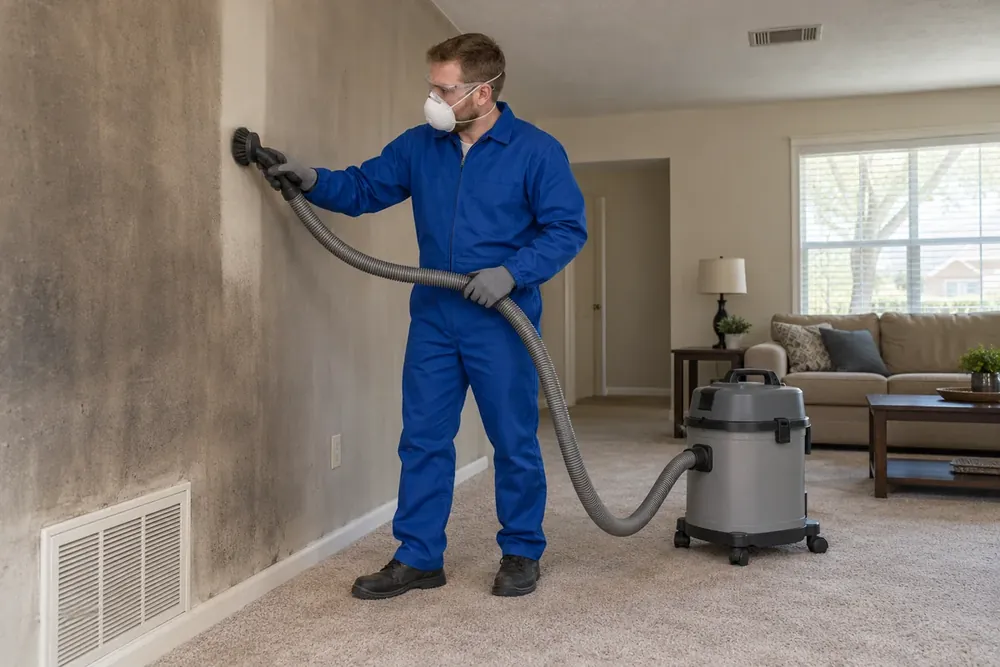
    Walls and ceilings usually receive surface cleaning where the underlying drywall or plaster remains sound. Your technician tests whether soot lifts with dry cleaning or washing without damaging the finish. Smoke absorbed into a sound surface may need sealing after cleaning, before repainting. Heat that has penetrated drywall, charred plaster supports or damaged insulation changes the job from washing to cutting out and replacing affected sections.

  • Floors and carpet

    Hard floors generally stay in place for cleaning when residue has settled only on the surface. Tile, wood, laminate and vinyl need different methods, especially where water has reached seams. Scorched carpet or padding that retains smoke odor may need removal; the subfloor is checked for absorbed water and smell. Floors that remain are protected while ceilings, walls and debris overhead are addressed.

  • Soft goods and clothing

    Clothing and household fabrics are usually sorted for laundering, dry cleaning, specialist treatment or disposal. Curtains, bedding, upholstered furniture and rugs hold smoke differently because fibers, backing and filling absorb residue at different depths. Some pieces move off site for cleaning. Heat damage, dye stability and lingering odor decide what stays, and an ordinary wash may leave smoke residue inside thick fabric or cushions.

  • HVAC and ducts

    Vent covers and accessible HVAC surfaces usually need professional cleaning when smoke residue has settled on them. Your technician checks the air handler, returns and ductwork for deposits, damaged sections and affected filters. Duct lining can hold smoke more deeply than bare metal, changing whether cleaning or replacement makes sense. Leave the system closed and unused; specialist checks come before any decision about restarting it.

  • Electronics and contents

    Belongings are commonly separated into items cleaned in place, packed for off-site cleaning or set aside for replacement. Dishes and hard decor may release surface soot, while books and photographs need gentler specialist handling. Heat, water and time in smoke affect the result. Televisions, computers and small appliances need specialist assessment before anyone plugs them in; a clean exterior does not establish the condition inside.

Soot and Burned Debris That Need Cleanup

What you seeWhat it usually points toWhat to do
Black deposits across walls and belongingsLoose soot and residue on several material typesDescribe the affected surfaces during the call without touching them.
Burned pieces mixed with wet debrisMaterial that needs sorting, removal and controlled handlingLeave debris where it lies and explain what you already know.
Char on cabinets or ceiling edgesHeat damage beneath the visible surfaceMention the burn marks without testing or scraping the material.
Broken or boarded windows and doorsOpenings that need protection alongside cleanupReport the openings from a safe location outside the building.
A persistent burned smellSmoke residue remaining in porous finishes or contentsSay which rooms smelled affected without returning to investigate.

The table is a starting point for the conversation; you can call without identifying every material or deciding what can be saved.

How Cleanup Moves From Debris to Clean Surfaces

  1. Describe the residue. Call with what you already know about soot, char and firefighting water; the conversation connects you with a local fire restoration professional.
  2. Review each material. Your technician assesses affected rooms only after the fire department allows entry, then explains the proposed work and price before cleanup begins.
  3. Clean up residues. Fire and smoke damage are addressed through debris removal, surface cleaning and separate handling of belongings needing specialist treatment.
  4. Walk through results. At the final walk-through, your technician explains the results on cleaned surfaces, items sent for treatment and areas needing further repair.

What Changes Fire Damage Cleanup Costs in Garland

What changesWhy it moves the scope
Rooms reached by soot and heatEach room adds different finishes, surfaces and belongings to assess.
Amount of char and wet debrisHeavier removal requires more handling, sorting and disposal work.
Damaged windows, doors or roof openingsTemporary protection may be needed alongside interior cleanup.
Cleaning in place versus removalSound surfaces need different work from material that must be taken out.
Contents and building accessPacking belongings for off-site treatment and moving debris through restricted spaces add steps.

One of our local fire restoration partners explains the proposed cleanup and its price before work begins, including the material and access factors that affect the scope.

Keep Clear While Cleanup Is Being Arranged

Stay outside until the fire department says entry is safe, and do not restore disconnected utilities yourself. Leave decisions about gas, electricity and water to the fire department and the utility; do not switch them yourself. Do not cut or walk past colored tape marking damaged doors or windows unless local authorities say it is safe, or enter a home with a building inspector's color-coded sign until you receive more information and instructions.

Leave burned or wet material for professional handling, and keep children and pets away from the damage. Dated photos taken before cleaning and a written list of what was damaged are handy to keep for your own records. Photos can be taken from the doorway only after entry is allowed. Call now with the details you already have; carrying debris out or gathering photos is not a condition for arranging cleanup.

Cleanup Across Garland and Surrounding Cities

Cleanup services extend across Garland, Rowlett, Sachse and Richardson, with work also arranged in Mesquite, Rockwall, Plano and Dallas for smoke residue, burned materials and affected contents.

Fire Damage Cleanup FAQs

Can I arrange fire damage cleanup near me for one affected room?

Cleanup can focus on one room, with the assessment also considering where smoke and water traveled. A kitchen may contain the burned material while adjacent fabrics or finishes hold residue. Describe the affected room on the call, and your technician will explain which surfaces and belongings belong in the cleanup scope.

What do fire damage cleaning services include beyond hauling debris?

The work can include soot removal, cleaning of sound surfaces, sorting belongings and arranging specialist treatment for fabrics or contents. Disposal addresses material that cannot remain, while cleaning addresses residue on material worth retaining. Water used during firefighting can add separate drying needs, which should be included in the discussion.

How does a fire damage cleaning company handle smoke-affected belongings?

Belongings are assessed individually for cleaning in place, off-site treatment or replacement. Hard dishes and decor differ from books, clothing and upholstered pieces because residue penetrates porous materials more deeply. Electronics need specialist checks. The condition of each item, rather than a single method for the whole room, determines its next step.

Does a fire damage cleanup company replace scorched wall sections?

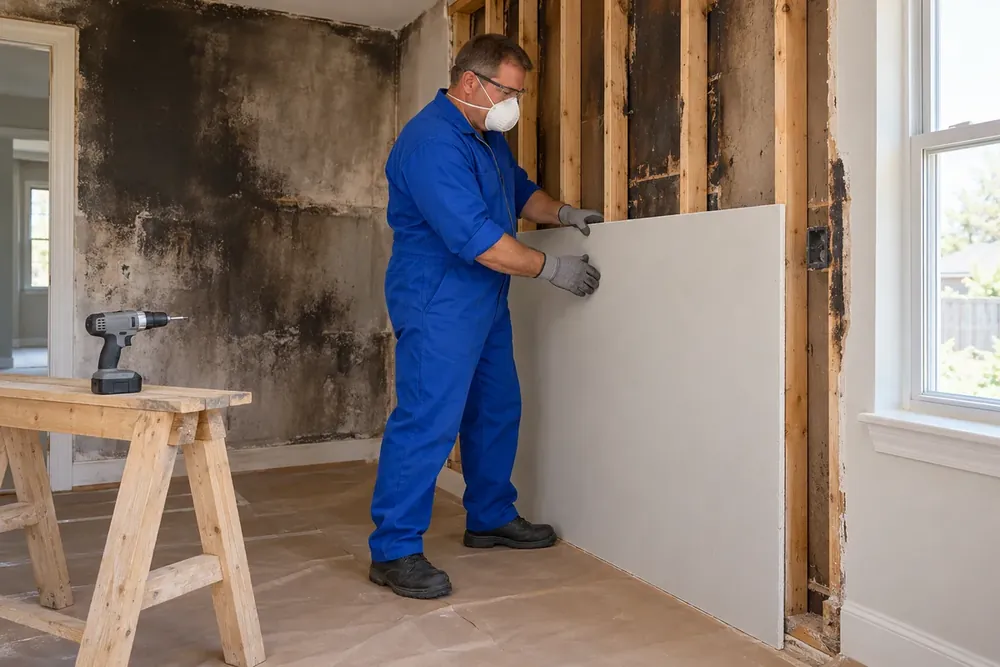
Cleanup identifies and removes damaged material, while rebuilding scorched wall sections belongs in the repair scope. Drywall with surface soot may stay after cleaning, but heat-damaged board and insulation may need replacement. The assessment separates those tasks so you understand what cleanup finishes and what additional fire damage repair involves.

Do fire damage cleanup companies address smoke residue as well as burned material?

Smoke damage cleanup after a fire addresses residue on remaining surfaces as well as material that needs removal. Soot may settle away from visible burn marks, especially on ceilings, fabrics and contents. Your technician considers how long deposits remained, whether water spread them and which surfaces can tolerate cleaning without losing their finish.

Call about soot, wet debris or burned belongings, and talk through what needs cleaning, separate treatment or removal.

Call (972) 284-7498
Call (972) 284-7498