| What was touched | What it usually leaves | What usually has to happen |
|---|
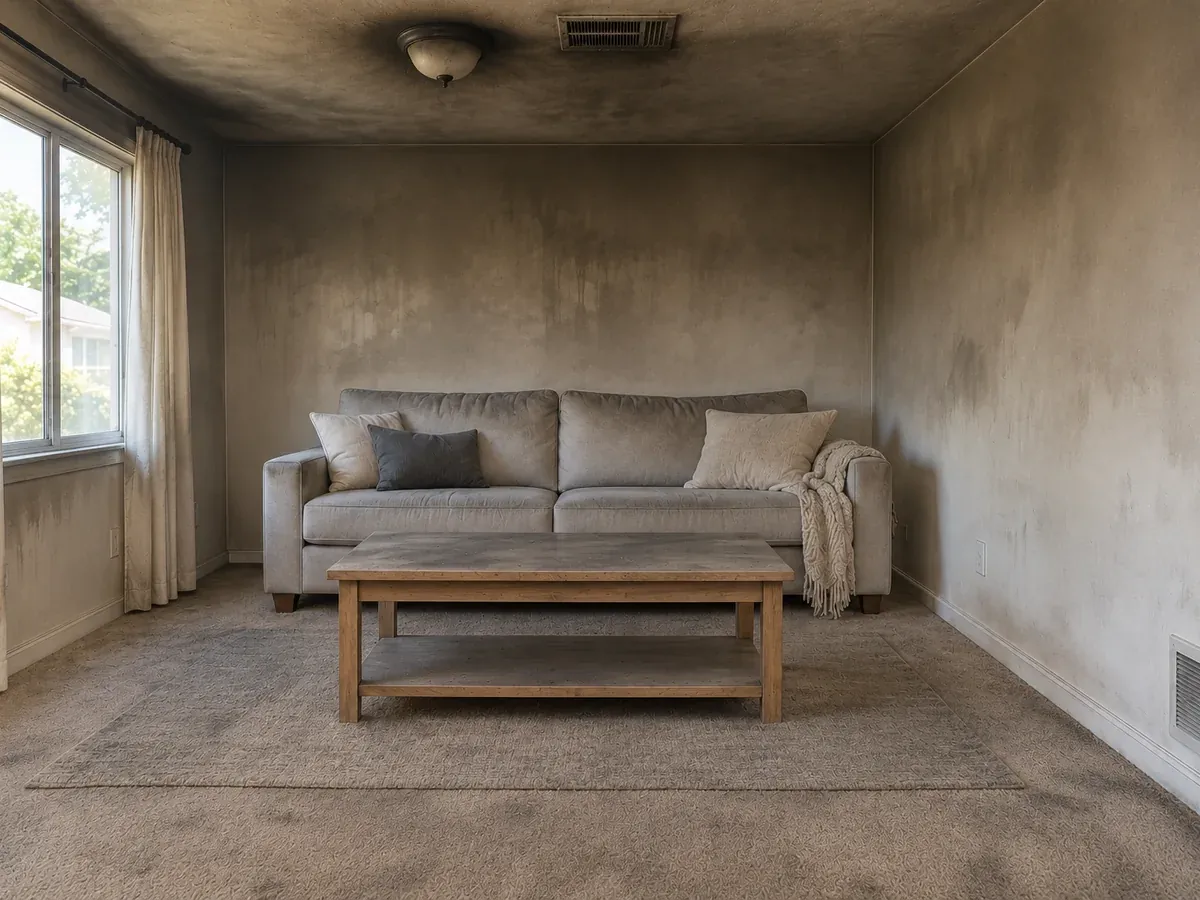
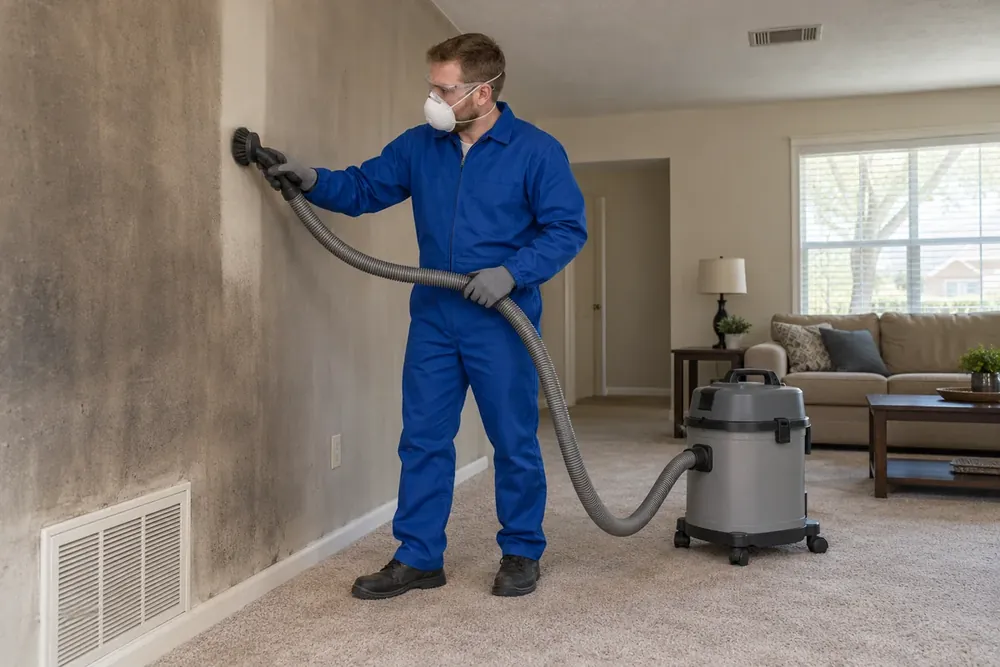
| Ceiling paint and wall trim | Dark film, staining and blistered coating | Clean intact coatings; repair scorched trim and failed paint |
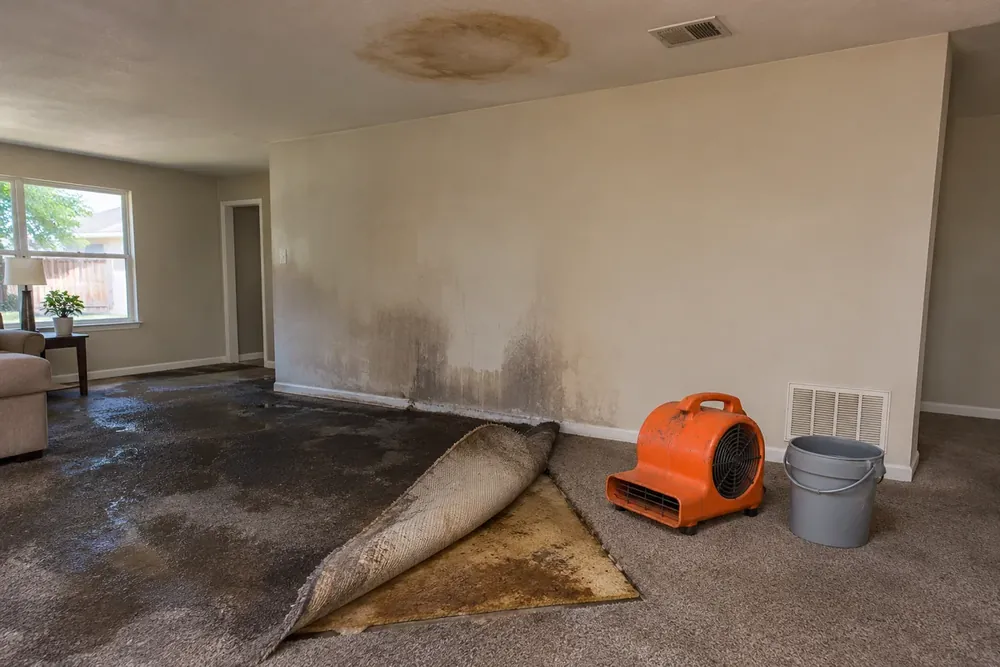
| Wood flooring and carpet pad | Residue at joints and trapped moisture | Assess drying potential; replace damaged boards or padding |
| Curtains and padded seating | Smoke held in folds and inner cushioning | Clean suitable fabrics away from the room; assess filling separately |
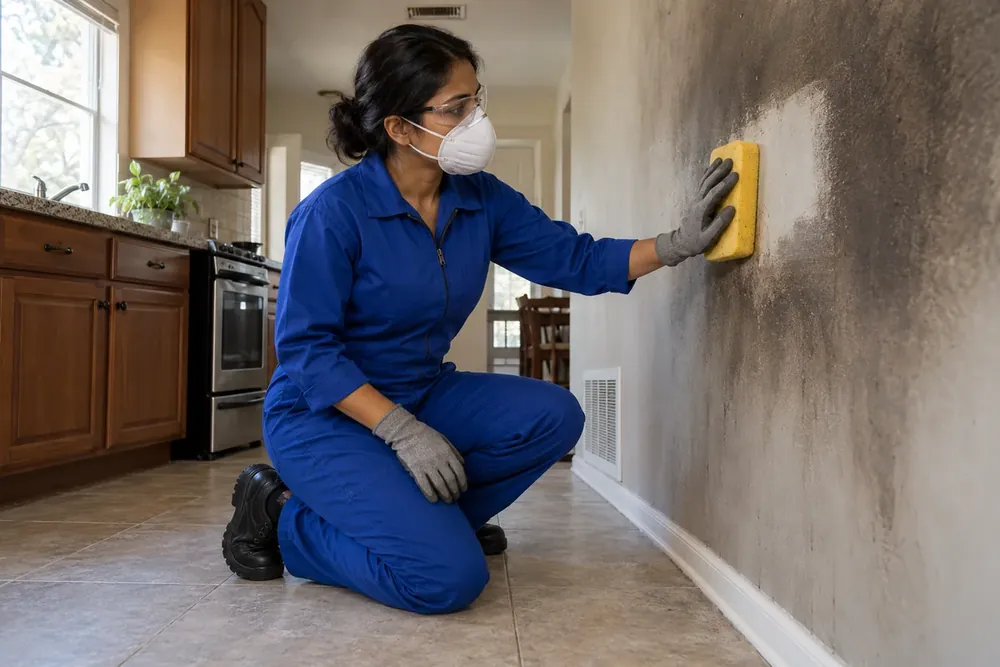
For a Duncanville home needing soot removal, the finish matters as much as the visible deposit. Unsealed wood absorbs residue differently from intact painted trim. A test area helps your technician avoid spreading a mark or damaging the surface underneath.
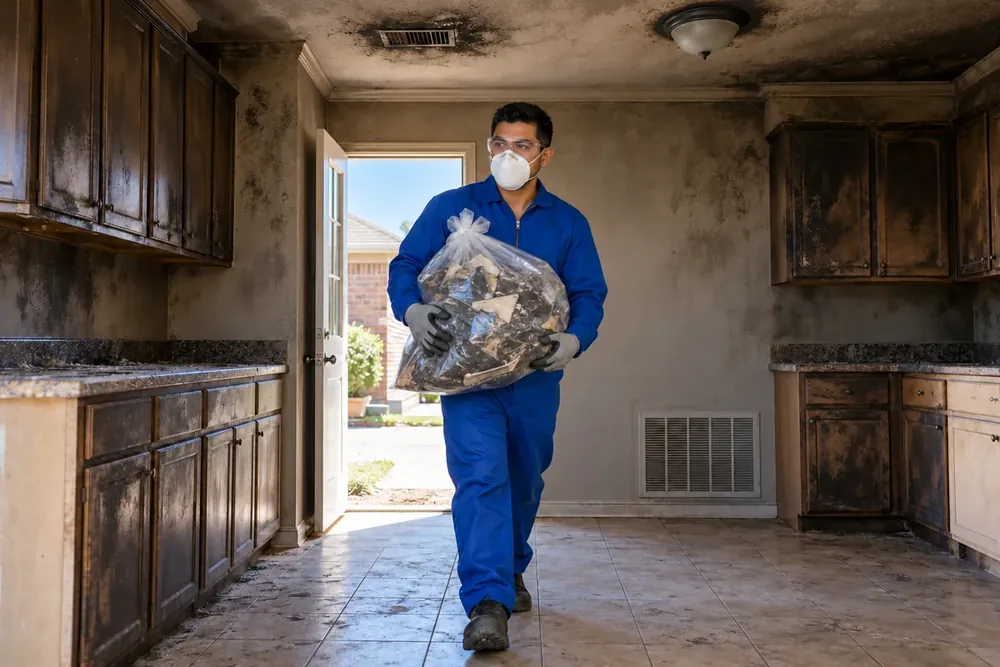
Nationally, cooking causes the most home fires and home fire injuries by far. Kitchen-fire residue can cling to painted finishes and fabrics in Duncanville. A cooking fire can affect curtains and adjacent rooms even when cabinets bear most of the heat. Duncanville fire and water damage restoration also addresses water beneath floor coverings.
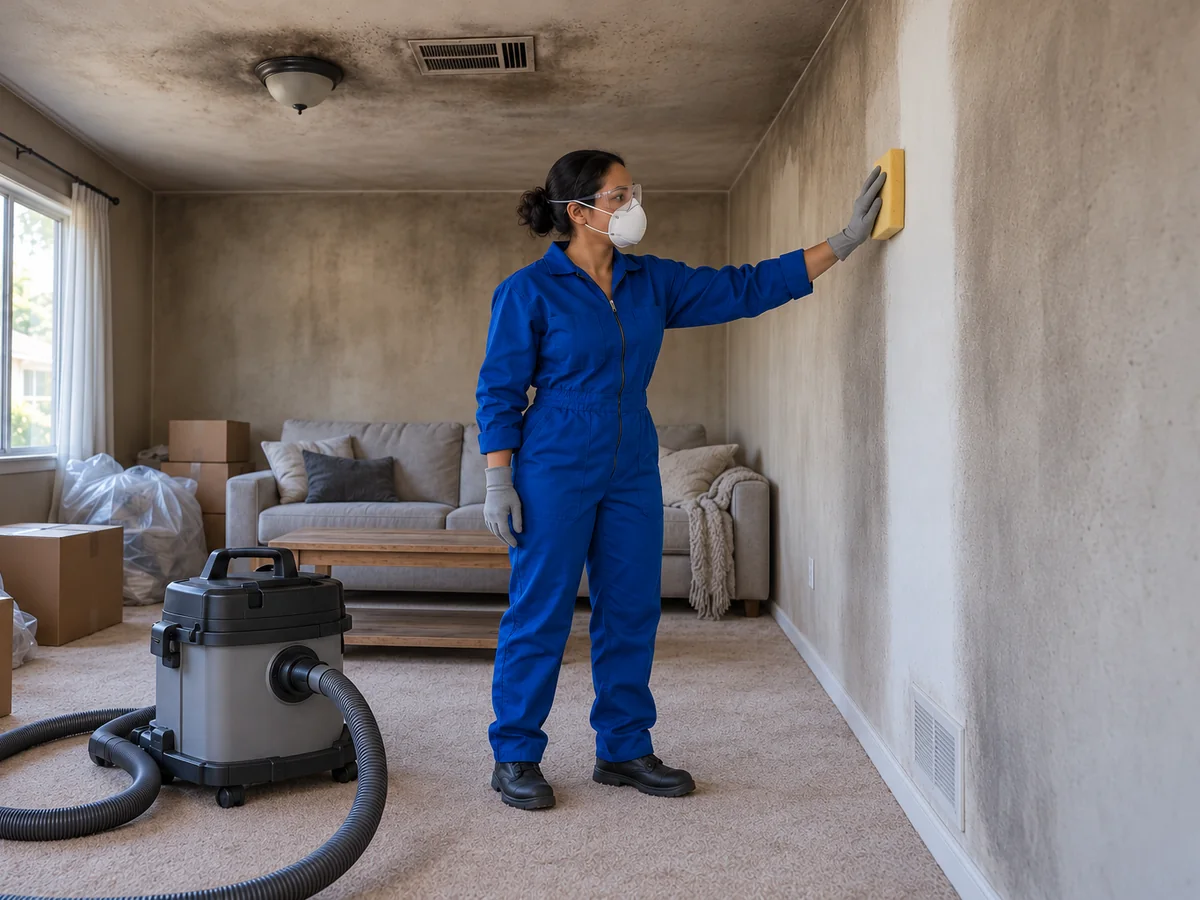
Stay outside fire-damaged homes until local fire authorities approve re-entry; discard food exposed to heat, smoke or soot. Don't dry-wipe soot, use a household vacuum on it or handle deposits with bare hands. Keep vulnerable household members and animals clear of affected rooms.