
Calls answered 24/7(972) 284-7498
Garland TX Fire Restoration (972) 284-7498

Garland, Texas

Fire Damage Repair in Garland, TX

Call (972) 284-7498

Our local fire restoration professionals repair heat-damaged walls, flooring and finishes in Garland, addressing what cleaning cannot restore. Call about scorched cabinets, smoke-stained rooms or water-damaged surfaces, and a local professional will help define the repair work.

  • Calls answered 24/7
  • Fire repair
  • Serving Garland and nearby
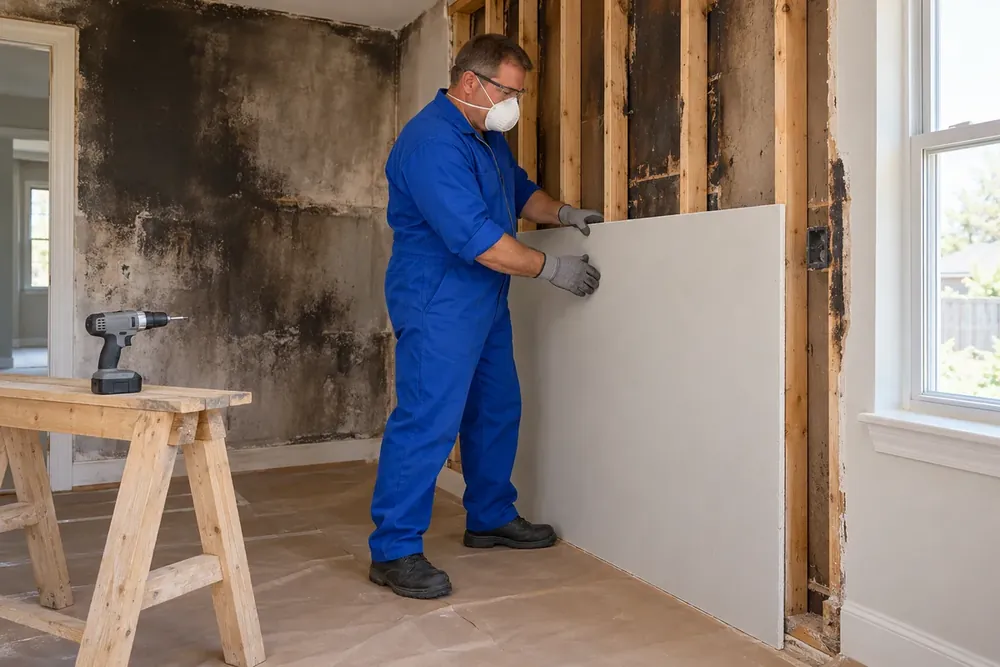
  • Technician in royal-blue coveralls holding pale drywall against exposed wall studs beside a scorched wall

Repair Decisions for Heat-Damaged Walls, Floors and HVAC

Fire damage repair and restoration replace unsound materials and retain surfaces that respond to cleaning and treatment. The cards open with likely outcomes, then explain the deciding conditions; scope and price are discussed during the call.

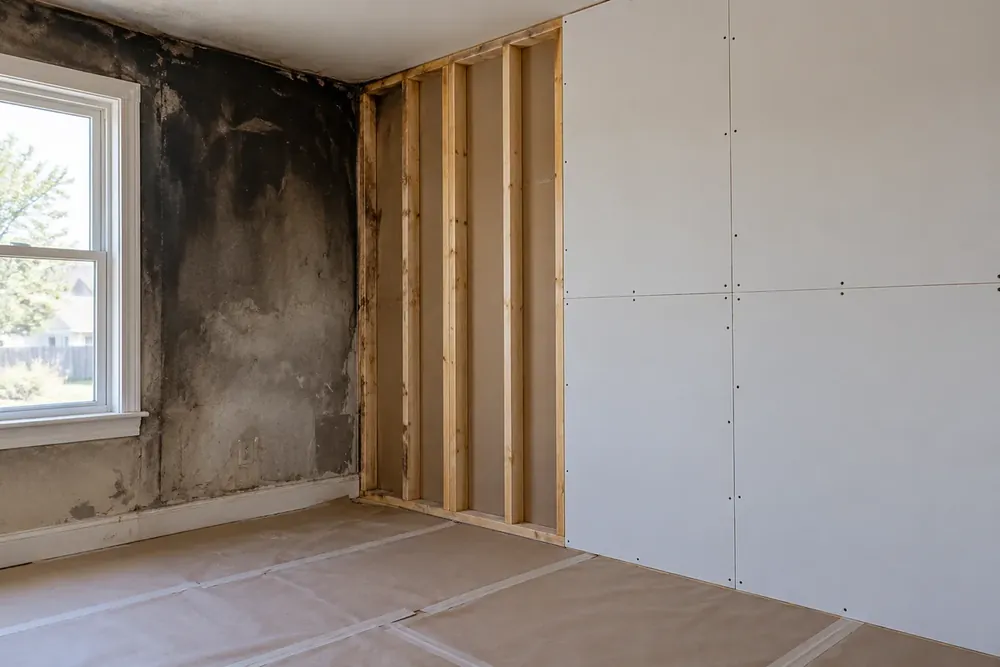
New drywall beside a scorched wall in a room with brown paper protecting the floor
  • Walls and ceilings

    Heat-damaged drywall and insulation are usually removed and replaced where their condition prevents a sound repair. Your technician checks beyond the face of the wall to establish how far heat, char and water reached. Painted drywall or plaster with surface deposits may instead be dry-cleaned or washed, then sealed before repainting where smoke remains absorbed. Ceiling repairs follow the condition of the board, supports and insulation above.

  • Floors and carpet

    Burned or badly warped flooring commonly needs replacement, with the underlying layers assessed before new material goes down. Carpet and pad may be lifted when scorching or retained smoke odor prevents cleaning from succeeding. Wood, laminate and vinyl can also change shape after heat or water exposure. Sound tile and other intact surfaces may stay for cleaning, with protection laid over retained flooring during wall and ceiling repairs.

  • HVAC and ducts

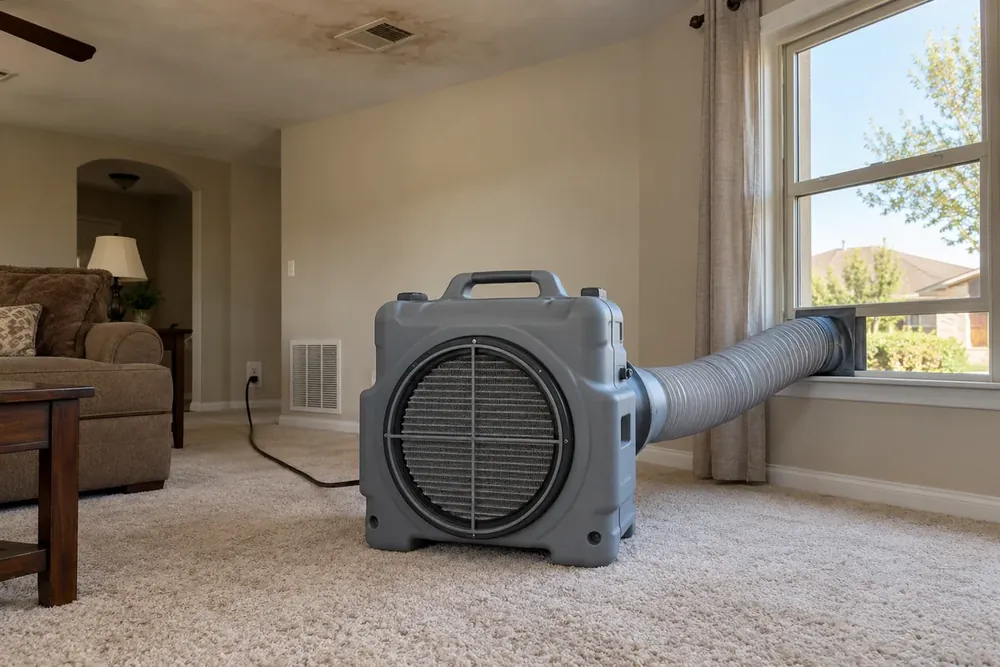
    Heat-damaged HVAC parts and duct sections generally need replacement rather than surface treatment alone. A specialist checks the air handler, returns and duct interiors to distinguish deposited soot from damaged components or smoke-affected lining. Sound vent covers can be cleaned, and affected filters are replaced as part of the work. Keep the system unopened and unused until the necessary checks and repairs are complete and its condition has been assessed.

Damage That Calls for Replacement or Repair

What you seeWhat it usually points toWhat to do
Charred framing or crumbling wallboardHeat has changed material beneath the room finishExplain the visible damage by phone without pressing or probing it.
A sagging or opened ceilingCeiling material or supports need assessment before closureStay clear of the affected room and mention the ceiling during the call.
Doors, windows or trim distorted by heatComponents may no longer fit or function properlyReport the distortion without trying to force anything open or closed.
Burned, warped or removed flooringThe floor finish and possibly underlying layers need repairDescribe the affected floor from your existing observations.
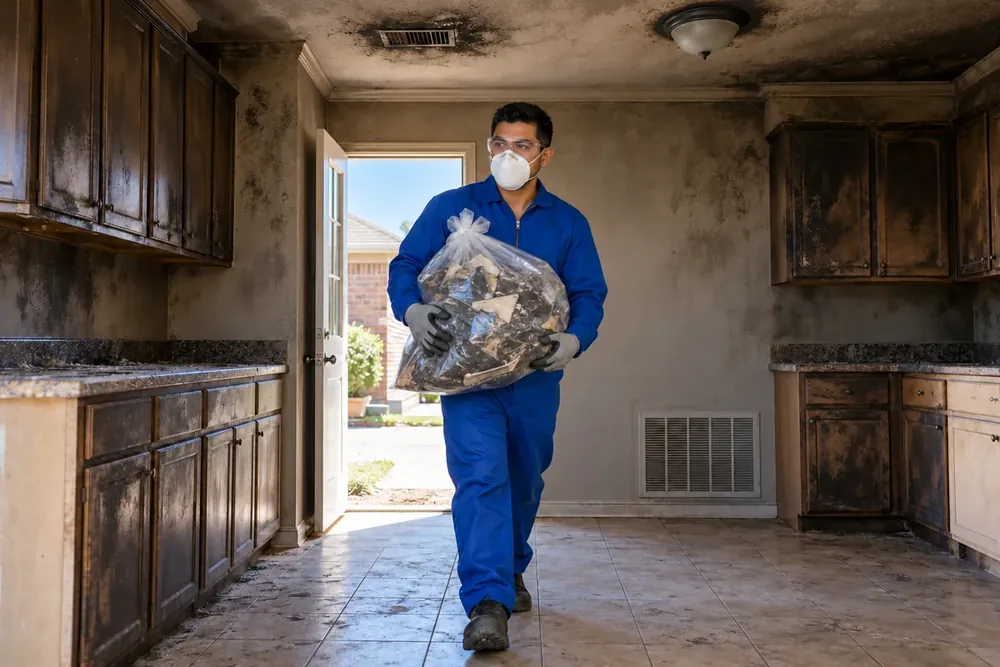
Cabinet fronts or counters damaged by heatBuilt-in materials may need replacement rather than cleaningTell your technician which kitchen components were exposed.

These signs start the repair discussion; you do not need to decide which parts stay or investigate concealed damage to make the call.

From the Repair Call to Finished Rooms

  1. Outline the damage. Call about opened ceilings, scorched finishes or removed flooring to connect with a local fire restoration professional who will take the repair discussion forward.
  2. Set the scope. After the fire department permits access, your technician examines affected materials and explains the repair plan and price before work starts.
  3. Replace damaged sections. Unsound materials are removed, retained surfaces receive appropriate treatment, and replacement components are fitted in the required sequence.
  4. Review the finish. The final walk-through covers repaired areas, replacement finishes and the condition of materials retained during the work.

What Affects Fire Damage Repair Costs in Garland

What changesWhy it moves the scope
Depth of damage in walls and floorsReplacing insulation, framing or subfloor layers adds work beyond renewing visible finishes.
HVAC components requiring replacementDamaged equipment and duct sections need different work from cleaning sound covers.
Cabinets, windows and doorsHeat-distorted components may require replacement and adjustments to surrounding surfaces.
Paint and finish matchingTexture, material transitions and adjoining finishes affect how far finishing work extends.
Work shared across tradesRepairs must be sequenced so concealed components are addressed before walls and ceilings close.

Before repairs begin, one of our local fire restoration partners walks you through the materials, work sequence and price, using the factors behind restoration costs to explain the proposed scope.

Stay Clear of Damaged Structure and Utilities

The fire department decides when the building is safe to enter; keep out until that decision is given. Stay away from sagging ceilings and burned floors. Do not cut or walk past colored tape over damaged doors or windows unless local authorities say it is safe; a building inspector's color-coded sign means stay out until you receive more information and instructions.

Call to discuss repairs now. Garland's Fire Repair page requires removal of all debris and damaged sheetrock before a repair permit is obtained, plus a Building Inspection Department 'pre-fire inspection' to determine required repairs before reoccupancy; the building permit can be applied for after that inspection. Leave that work to the trades and the utility. Dated photos taken before cleaning and a written list of what was damaged can be kept for your own records; neither is needed to start the call.

Repair Work in Garland and Nearby Communities

Arrange repairs to fire-damaged building materials in Garland or nearby Dallas, Plano, Mesquite and Richardson, as well as Rowlett, Rockwall and Sachse.

Fire Damage Repair FAQs

How do I arrange fire damage repair near me without knowing the full damage?

Call with the visible damage you already know about; the building assessment establishes the repair scope. You do not need to open a wall, test flooring or identify damaged components yourself. Repair of fire damage in a house can involve several layers, so your technician explains the findings material by material.

Can fire damage repair contractors save a smoke-stained wall?

A smoke-stained wall may remain when the board or plaster is sound and the residue responds to cleaning and treatment. Char, softened board, damaged supports or affected insulation can require removal instead. Repainting follows the necessary cleaning, drying and sealing; paint alone does not resolve heat damage beneath a finish.

What does a fire damage repair company do after cleanup?

Repair work replaces damaged building materials and restores affected finishes after the necessary cleanup and treatment. The scope may include wallboard, insulation, flooring, cabinets, doors or windows. House restoration after fire damage also requires the work to follow a sensible sequence, with concealed repairs completed before new wall or ceiling surfaces are closed.

Does every scorched kitchen cabinet need replacing?

Cabinet replacement depends on how deeply heat affected the fronts, boxes, joints and nearby surfaces. A sound cabinet with removable surface residue differs from one with charred panels or distorted doors. Your technician assesses the affected components separately, including whether retaining part of the cabinetry allows a sound fit and finish.

Call to discuss scorched walls, warped floors or damaged cabinets and the repair work those surfaces need.

Call (972) 284-7498
Call (972) 284-7498